

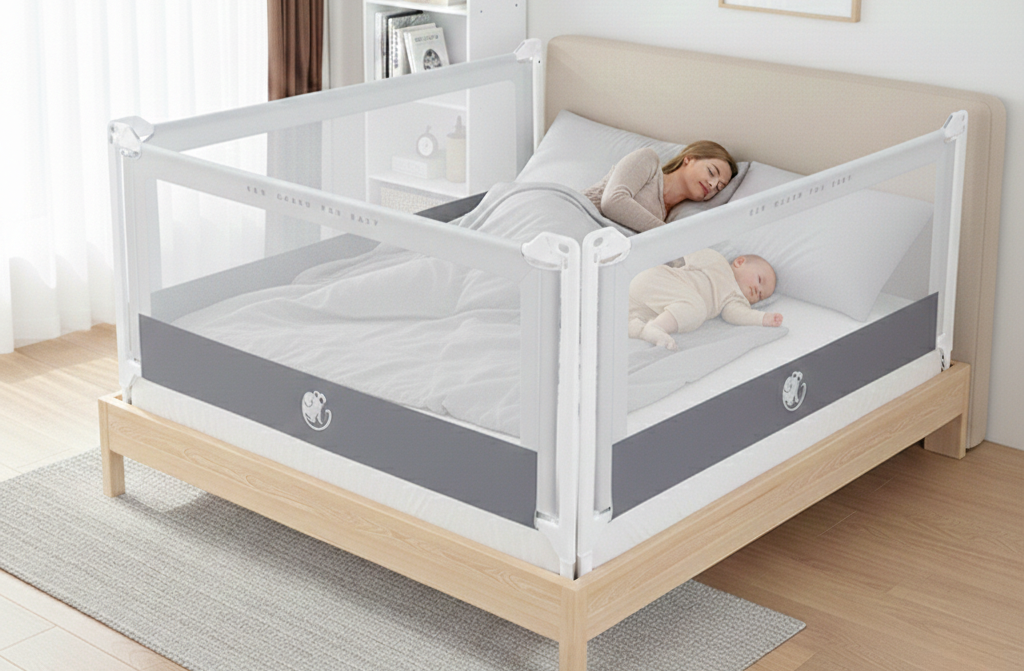
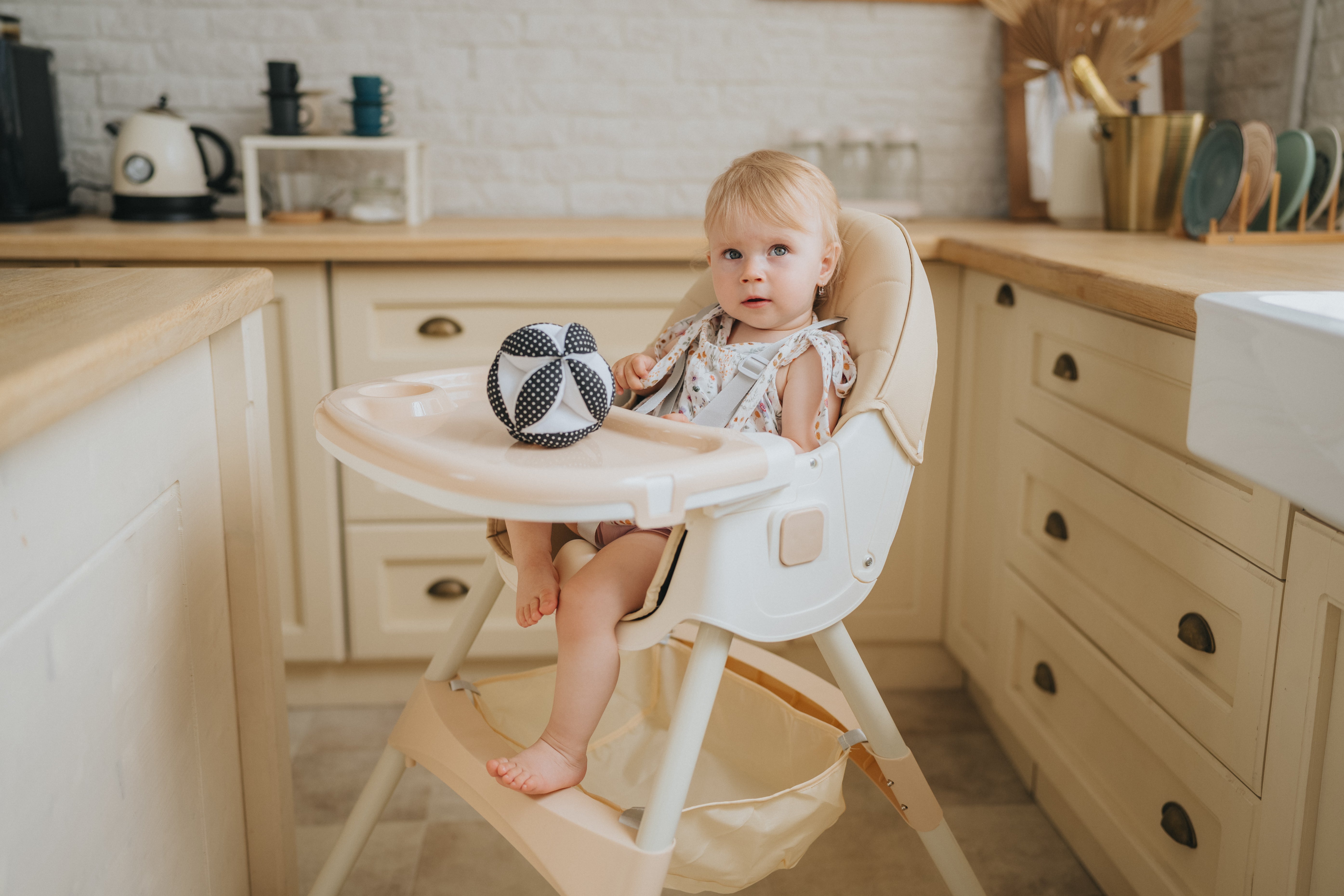

Even before a woman becomes pregnant, she usually has an idea of how many children she would like to have. The most common number is two, but it is by no means unusual for some couples to want only one child or, on the contrary, three or more. What plays a role in deciding whether to have an only child or to give a child a sibling? Each option has its pros and cons, so let’s look at them together.
What influences the decision whether to have another child or not
There are many factors that play a role in deciding whether to have more than one child. What are the most common ones?
- Space - the family lives in a smaller apartment/house and does not have enough space for more children, or does not want them to crowd into one small room.
- Finances - many families do not have enough financial resources to provide for more children. Or they want to give their only child the very best, which would not be possible with the arrival of a sibling.
- Age - these days it is not unusual for women to give birth later in life, say at 40+. With increasing age comes a higher risk of secondary infertility, health complications, less energy for childcare, and so on.
- Health - the first-born child may require more care because of some illness, and then parents cannot imagine having to care for another child as well.
- Birth trauma or postpartum depression - a woman’s mental state plays a very important role in caring for a child, and if she has not processed the topic of birth or has gone through severe postpartum depression, she may fear a repeat experience with another child.
- More demanding child - if a child is born into the family who sleeps little, cries often, nurses constantly, requires nonstop carrying, cries in the stroller, cries in the car, has a very deep separation anxiety, etc., then the statement “one child, no child” is not at all appropriate in this case, and it is no wonder that parents fear they may have another child just as demanding or even more demanding.
- Grandmothers and grandfathers - if a family lacks grandmothers and grandfathers who could help with babysitting the grandchildren, that may be one of the obstacles to expanding the family with another member.
- Loss of a child - whether a woman experiences a loss in a later stage of pregnancy, during birth, or shortly after, it can greatly affect her attitude toward another pregnancy.
Pros and cons of siblings
The following are most often discussed in families:
- savings on toys;
- savings on clothing;
- children learn not only from their parents, but also from each other;
- children can practice sharing toys, compromise, and caring for others;
- parents often deal with sibling conflicts;
- a parent must divide their attention among more children and cannot devote themselves fully to each of them all the time;
- higher costs;
- parents have less free time.
Only children vs. more children
Only children usually want siblings. Those who have siblings, on the other hand, think that only children have it better because they do not have to share their mom and dad with anyone. Only children, however, would like to have a buddy and an ally.
Only children are said to be spoiled because their parents give them everything they want. This is not true in every family; it always depends on the parents and their approach to raising a child.
If a child has siblings, they may not have to face difficult situations alone in adulthood. As children and teenagers, they often hit or swear at each other. Later, however, they are often glad to have each other. At the same time, they can share the burden of caring for their parents when the time comes.
Attention should also be paid to the middle child syndrome, as the middle child is often overlooked because parents focus most on the oldest and the youngest.
In conclusion
It cannot be said in general whether it is better to have one child or more children. It is very individual, and each family should take its own position on the matter. In the case of only children, it is good to spend more time among other children so they get used to a larger group. It is also good to prepare the first-born child for the arrival of a sibling, so that it is not a big shock for them that from one day to the next, mom and dad are no longer, so to speak, just a call away.
Bringing a child into the world is a miracle, and even an unplanned conception can result in beautiful family harmony.


Write a comment
This site is protected by hCaptcha and the hCaptcha Privacy Policy and Terms of Service apply.