

Reading books helps develop vocabulary and, in a gentle and often entertaining way, teaches children to create their own mental images and encourages them to think. In addition to happy-ending fairy tales, children can read stories about emotions or, on the other hand, learn something about history.
Books for the youngest children and toddlers
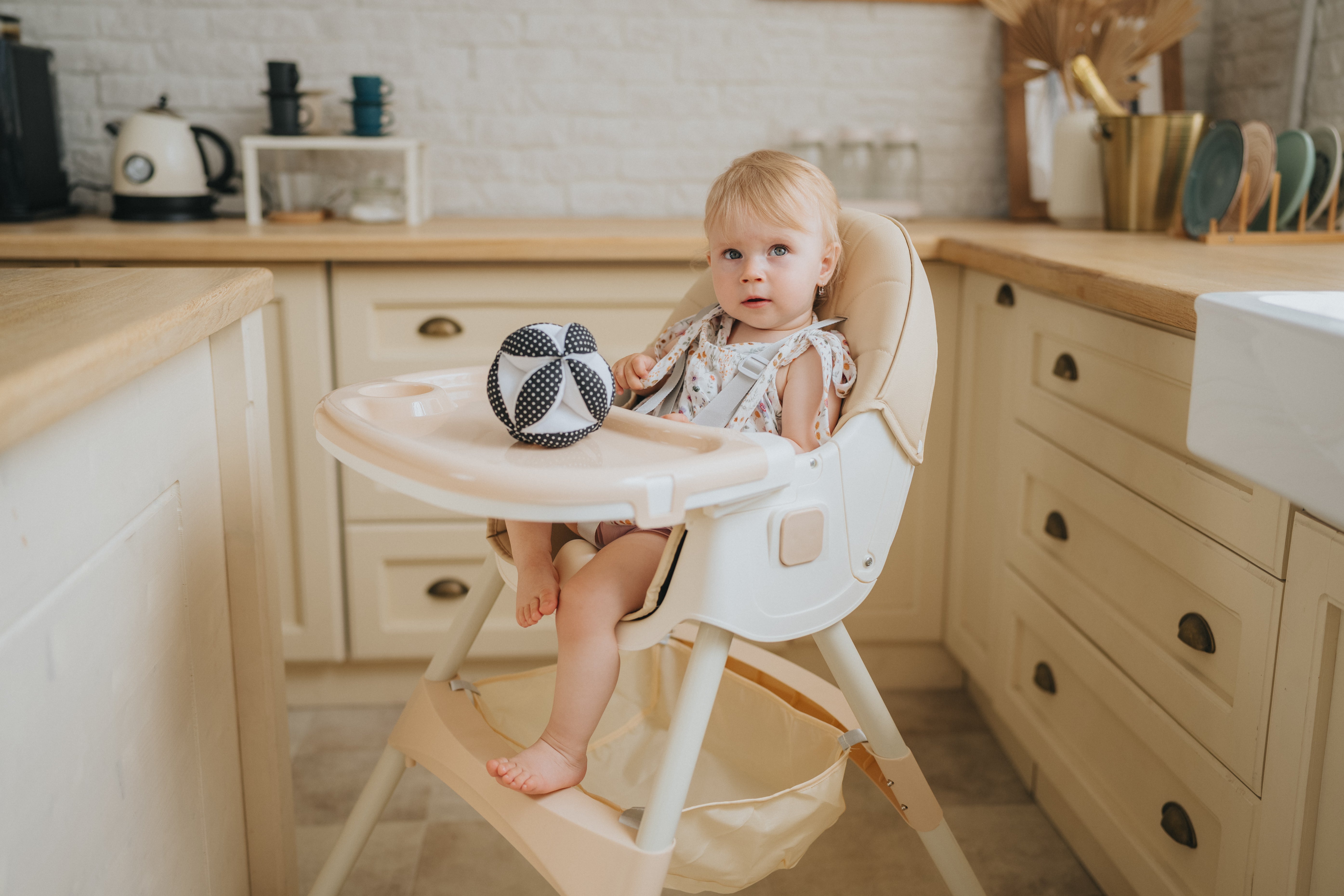
Newborns see colors only in shades of gray, so it is good to show them contrast cards, contrast board books or books with black-and-white pictures. Around 6–7 months of age, children begin to perceive other colors too.
For toddlers, board books and books with sturdy pages are suitable, which they cannot easily tear, or fabric board books and books, which they can also safely explore with their mouths. Books with lift-the-flap and sliding windows are beautiful (for example, books from the publisher Svojtka), as well as books with a flashlight, sounds, or magnets. From age 2, you can also get the Albi pen with books, and the child can point to pictures on their own and discover a wide range of topics (animals, daily activities, vehicles, seasons, etc.).
Even with toddlers, it is good to visit the library, which will help you find out what interests your child most without having to buy books. In addition, you can keep changing the books, so they will continue to entertain the child.
Books for preschoolers
Preschool children, ages 3–6, are already more curious and often ask “why” questions, so books about emotions, weather, the human body, traditions and holidays (Christmas, Easter), and the seasons, etc., are very suitable for them. A great addition to regular books are Albi books with a pen, which children can “read” even if they do not yet know how to read.
For developing fine motor skills, cut-out activities and dress-up dolls, sticker books, and coloring books are suitable for children.
Today, bookstores also carry books that prepare children for starting school. Not only books about what will happen at school, but also the basics of writing, counting, and plenty of creative tasks.
Books for primary school pupils
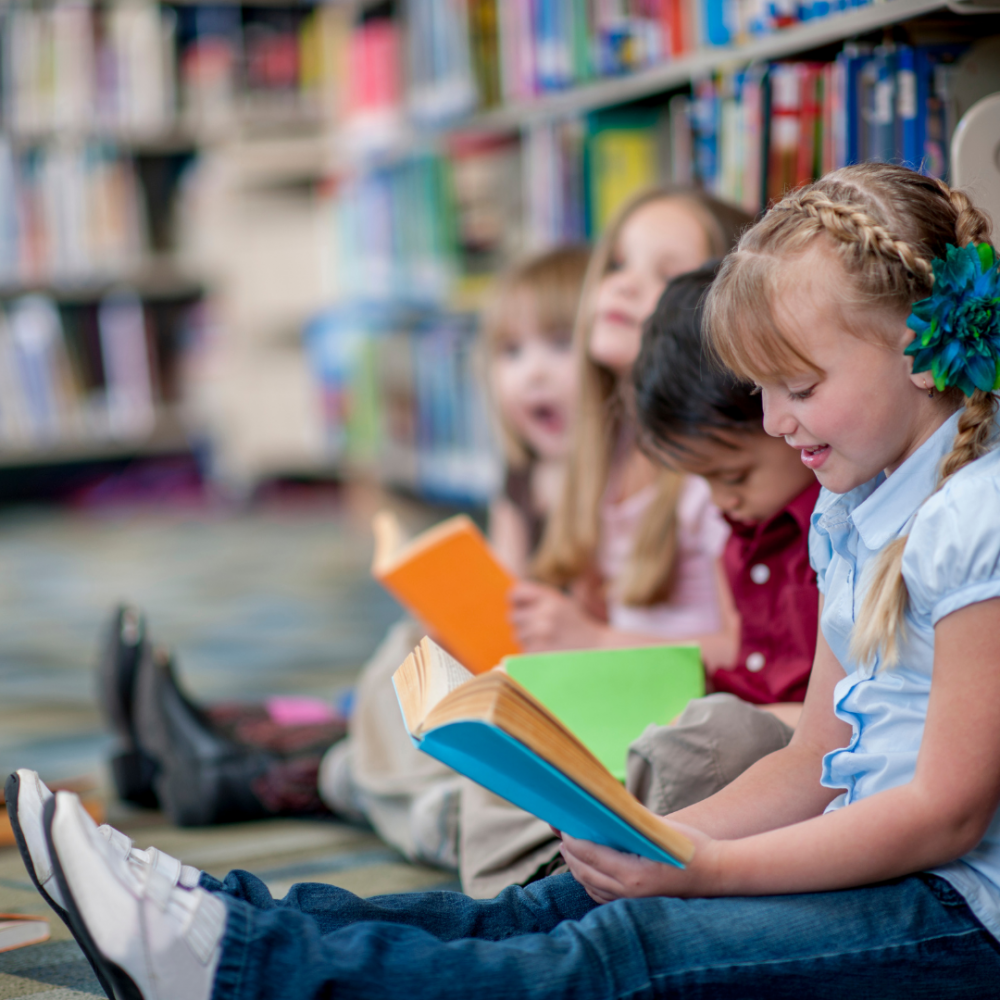
For children from age 6, books labeled “first reading” are suitable. These are books with large print that contain simple and short stories. Great for children who have just learned the letters and want to practice reading. For example, Frog and Toad, Heidi on Her Travels, or Seven Fairy Tales for Little Mice.
Books labeled “second reading” are suitable for children from age 8. They contain more continuous text, but still have larger print and plenty of pictures to engage children as they practice reading. For example, The Police Hamster, Sisa Kyselá, or The Mischief Makers.
Other books that are suitable for primary school pupils include various riddles, puzzles, crosswords, mazes, and encyclopedias.
Young Adult - books for teenagers (12–18 years)
Books for teenagers are labeled Young Adult and include a wide range of genres written so that the reader can gradually move from children's literature to adult literature. It is not uncommon for adults to enjoy reading these books as well. They include classic fiction, but also books about growing up, professions, science and technology, and history (for example, The Fault in Our Stars, Diary of a Wimpy Kid, or Twilight).
Teenagers most often read fantasy and sci-fi books (for example, Harry Potter, The Whispering Forest, Eragon, Hunger Games). Girls often reach for a novel (for example, horse novels), while boys tend to go for comics (for example, those about superheroes or Japanese manga comics).
They can then practice foreign languages with bilingual books, which are most often written in Czech and English or in Czech and German (for example, Robin Hood, Oliver Twist, or The Adventures of Tom Sawyer).
It is wonderful to nurture a love of books from early childhood. And if you read books in front of your children, they will quickly start imitating you and may eventually prefer to pick up a book instead of turning on the TV or tablet and immerse themselves in amazing stories.

Write a comment
This site is protected by hCaptcha and the hCaptcha Privacy Policy and Terms of Service apply.