

Article author: Iveta Bartošová
Probably no mother can prepare 100% for the postpartum period, because she does not know how the birth will go, what kind of temperament her baby will have, what emotions will appear after the birth, whether breastfeeding will go smoothly, or how she will feel physically. In any case, it is great to have information about how this period unfolds, what to arrange in advance, what will change, and what to do or not do so that everything goes more smoothly.
How to prepare for the postpartum period
You definitely cannot prepare mentally for the postpartum period, especially if it is your first baby, however, you can prepare:
- nutritious food for the freezer (broth is best);
- get a sling or baby carrier for carrying the baby;
- have enough breast pads, postpartum pads, and a peri bottle for easier hygiene;
- find information about breastfeeding - correct latch, proper breastfeeding positions, possible problems and how to solve them, have a contact for a lactation consultant;
- create a breastfeeding corner where breastfeeding will be comfortable and food, drinks, and a book will be within reach;
- have enough pieces of breastfeeding clothing, which makes breastfeeding much easier, especially away from home;
- get a rebozo shawl, which supports the belly not only in the 3rd trimester of pregnancy, but also helps with uterine involution after birth;
- raspberry leaf and lady's mantle - help with lactation and uterine involution;
- lemon balm - suitable for mood swings and emotional tension;
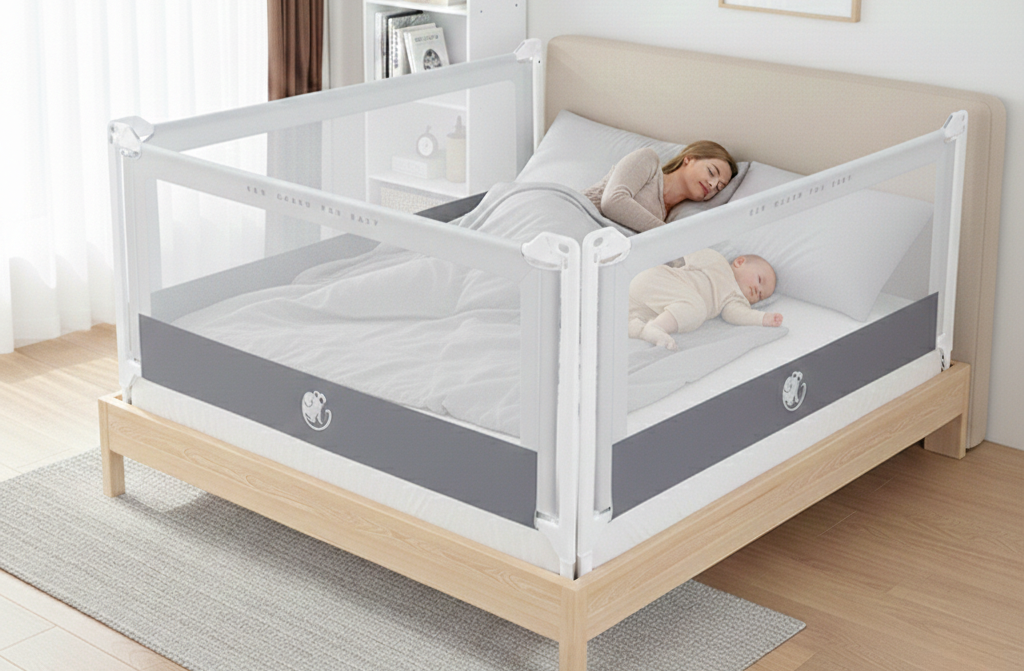
- get bed rails, thanks to which you can sleep comfortably with your baby in a large bed and won't have to get up at night to the crib.

What awaits you in the postpartum period and what will change
For a woman, everything changes completely; for a man, the arrival of a baby will certainly be a change, however, he will not experience it as intensely as the new mother when returning to work. In the postpartum period, you can expect:
- a mixture of all kinds of emotions - joy, sadness, anger, love;
- ravenous hunger and thirst - breastfeeding and caring for a newborn is very demanding energetically, so it is necessary to eat well and keep up with enough fluids;
- significant night sweats may occur;
- there may be breast inflammation - breast pain, fever, chills, weakness;
- the body will gradually change and recover physically (uterine involution, tightening of the abdominal wall, postpartum weight, healing of the cesarean scar, healing of birth injuries); some women lose weight very quickly, while others, on the contrary, gain weight regardless of breastfeeding;
- caring for a newborn in the postpartum period is demanding both psychologically (more frequent crying of the baby, loss of one's own freedom) and physically (little sleep, frequent breastfeeding, frequent carrying, etc.).

What to do and not do in the postpartum period
In the postpartum period, we should care not only for the newborn baby, but mainly for ourselves, because how the mother feels also affects her child. Therefore, we recommend:
- not to accept visitors during the postpartum period if possible; if you do, let them bring you food instead of toys and stay only for a short time;
- to rest a lot - sleep with the baby if possible;
- to supplement magnesium;
- drink plenty, keep a glass by the bed;
- eat well and nutritiously;
- go outside first for shorter walks and gradually make them longer;
- let yourself be cared for - if possible, arrange for someone to cook, clean, take the baby for a walk, or take an older child/children on an outing;
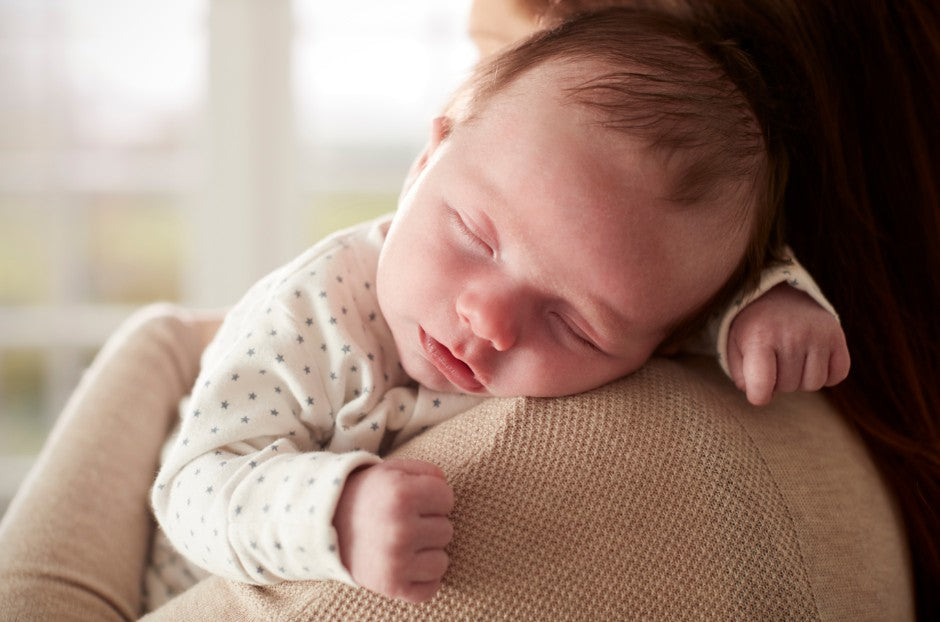
- be with the baby as much as possible skin to skin to support lactation and strengthen the bond between mother and baby;
- if the baby needs it and is more fussy, wrap them in a sling or get a carrier - the baby will be content and the mother will have free hands;
- sex in the postpartum period is not prohibited, however, because of bleeding, which may also appear after a few days' break, it is recommended to wait until after a check-up with the gynecologist, who will verify that everything is fine and give you the “green light”;
- becoming pregnant in the postpartum period is possible, because breastfeeding is not natural contraception, so if you do not want to become pregnant again, it is better to use protection;
- exercise in the postpartum period can be slowly added to the daily activities of every mother; it is important to listen to your body, not overexert yourself, and start very slowly, ideally with exercises to strengthen the pelvic floor;
- if you are hit by postpartum depression, do not be afraid to talk about it with your partner, your mother, or a friend - if it is a milder form, the so-called postpartum blues, things should improve within a few days; if it is a deeper manifestation of depression, the so-called postpartum/lactational psychosis, then it is time to seek professional help, such as the organization Úsměv mámy or the Perinatal project.

In short
The postpartum period is a changing time, when a woman may feel very happy and in love with her newborn baby. However, it can also be a period full of frustration and crying, because suddenly everything is different and everything revolves around the baby's needs. The best way to prepare for the postpartum period is to find out information about this period, what may happen, and then not be so thrown off by everything. We also recommend eating well, drinking plenty, letting yourself be cared for, learning about breastfeeding, getting a sling or baby carrier, and also bed rails for a large bed so you don't have to get up at night to the crib.
What was your postpartum period like? Was it possible to prepare for it?


Write a comment
This site is protected by hCaptcha and the hCaptcha Privacy Policy and Terms of Service apply.