

Article author: Iveta Bartošová
In the previous article about first complementary foods, we talked about when to start introducing them, which foods are suitable, and what the BLW method is.
Article here -> How to handle first complementary foods
Today we’ll look at how to prepare first complementary foods, how to introduce foods according to age, and finally we’ll also add some recipes. We’ll focus more on puréed complementary foods, which are the most common here and take more work.
How to prepare first complementary foods
There are several ways to prepare complementary foods. It depends on what suits each person and what conditions they have. Whatever the method, it is a good idea to add a few drops of quality oil to the food so the child also gets some fat intake (for example olive oil). Complementary foods can be prepared:
- steamed - all you need is a pot with a steamer basket; add a little salt to the water so vitamins and minerals are not lost, then blend with a hand blender;
- in water - with water, we can then blend the food and achieve a smoother consistency;
- in the oven - oven preparation is suitable for the BLW method, or for making various patties or muffins that a child can manage to eat later;
- in a multifunctional appliance - there are many different appliances on the market that work on the principle of steaming with the option of then blending until smooth or into purée.

How to introduce complementary foods during the day
Most parents start with lunch first, but it is individual and entirely up to each family what works best for them. Complementary foods can be introduced during the day in this way:
- 1st month - lunch
- 2nd month - lunch
- 3rd month - morning snack and lunch
- 4th month - snack, lunch, and snack
- 5th month - breakfast, snack, lunch, snack
- 6th month - breakfast, snack, lunch, snack, dinner
How to feed with a spoon
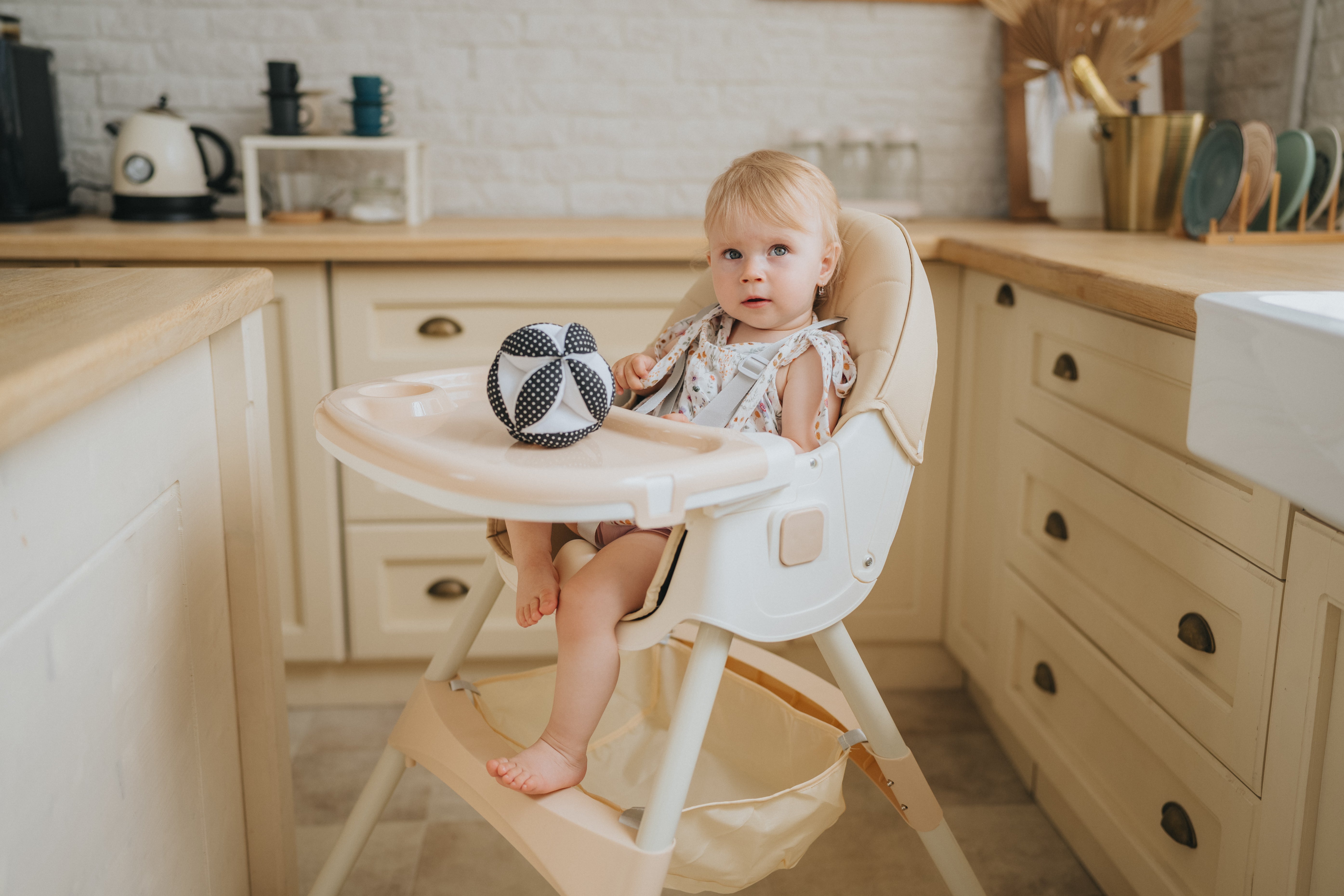
During the first days, maybe even weeks, the child won’t eat much. The important thing is not to force the child and to respect how much they eat. Some children eat large amounts of complementary food in the first few days, but there are also children who only taste a few spoonfuls for weeks or months.
When feeding with a spoon, always wait until the child opens their mouth; do not wipe the food against the upper palate, but wait until they close their mouth again and then remove the spoon. This way, the child learns the correct process, and once they stop opening their mouth, it is a clear signal to us that they’ve had enough.
Later on, the child may want to put the spoon in their mouth by themselves, and in this case a great helper is the I can spoon children's spoon, which allows the child to practice several different grips, so they can explore and train as they like.

How to store complementary foods
If you prepare a larger amount, one portion can be kept in the fridge until the next day in a sealed jar and reheated the next day. The rest can be put into the freezer in larger ice cube trays. You can then thaw it and warm it for the child, or combine different foods if you have frozen single-ingredient foods or even plain broth. The exception is potatoes, which are not suitable for freezing.
Complementary foods according to age
- Introducing foods is not limited in any way; at the beginning, it is recommended to introduce single-ingredient foods for 2–3 days to rule out any possible issue (allergic reaction, bloating). So you can easily start with a mild broth, apple, or sweet potato.
- From around the 7th month, introduce gluten and egg white - this is an outdated view, and the timing of introduction is entirely up to the parents.
- Only after the 1st birthday - curd cheese, honey, nuts, sugar, and salt in larger quantities.
Recipes
- Banana pancakes - mash a soft banana with a fork, mix with an egg (you can also use just the yolk), and fry small pancakes in coconut oil.
- Vegetable patties - cooked blended vegetables (for example pumpkin, beetroot, broccoli), egg, herbs, optionally also cheese; fry in the oven or in a pan
- Fruit purée - boil and blend any fruit; it can also be combined with vegetables (for example pear with pumpkin, peach with sweet potato).
- Soup - meat or meat-and-bone broth with grated vegetables.
- Blended lunch - potatoes, carrots, rabbit meat, broth - blend everything.
- Baby sirloin with cream sauce - beef, carrots, parsley root, plain yogurt, pasta - blend everything.
- Soup for dinner - vegetables cooked in broth with egg - blend everything.
- Mashed potatoes for little ones - blend cooked potatoes with breast milk or infant formula.

In short
Complementary foods can be prepared in many different ways, most commonly steamed, in water, in the oven, or in a multifunctional appliance. A few drops of quality oil add healthy fats to the meal, which are essential for children's development. At the beginning, it is recommended to introduce each food for 2–3 days to prevent possible problems; later they can be combined in various ways. The introduction of gluten and egg white by the 7th month of a child’s age is now considered unfounded, and it is up to the parents when they introduce these foods. Curd cheese, honey, and nuts are suitable to introduce only after the first birthday. Complementary foods can be kept in the fridge until the next day or frozen for later consumption.
How did you prepare complementary foods? Was a steamer basket and hand blender enough for you, or did you prefer to invest in a special appliance?



Write a comment
This site is protected by hCaptcha and the hCaptcha Privacy Policy and Terms of Service apply.