

Movement is a natural part of all our lives. From birth, babies learn how to move their little bodies, and it is up to us as parents to help them do it correctly. If poorly learned movement patterns are identified later, this can result in difficulties with everyday activities. So how can gross motor skills be developed in children?
Gross and fine motor skills
First, let’s explain the difference between gross and fine motor skills. Gross motor skills require the whole body to move, engaging larger muscle groups, while fine motor skills are all about hand movement. Both types develop at the same time; however, children first develop mainly gross motor skills and only later fine motor skills. Speech goes hand in hand with motor skills too. If a child lags behind in motor development, this will also affect speech development, which will be delayed.
Activities that develop gross motor skills
Natural psychomotor development in infants
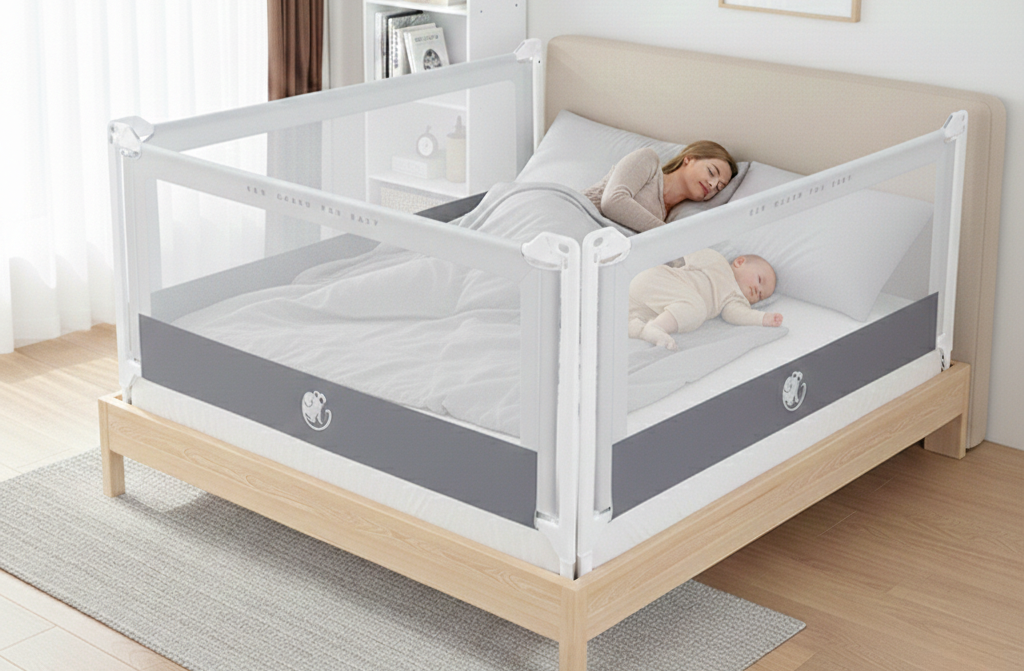
From birth, a baby develops gross motor skills through the basic movements of its little body. So how can you motivate it to move?
- Lifting the head and tummy time - place your baby on their tummy as much as possible from birth so they can practice properly.
- Rolling onto the side and tummy, rolling over - motivate the baby with a toy to roll toward, and for rolling over use a blanket and help the baby roll.
- Crawling - motivate them again with a toy, or you can try some food that would encourage the child to crawl toward it. If you have slippery floors at home, practice crawling on a mat or carpet. An overball can also help: place it under the child’s tummy so they lie on it and gently rock it forward and backward, which will show them the movement needed for successful crawling.
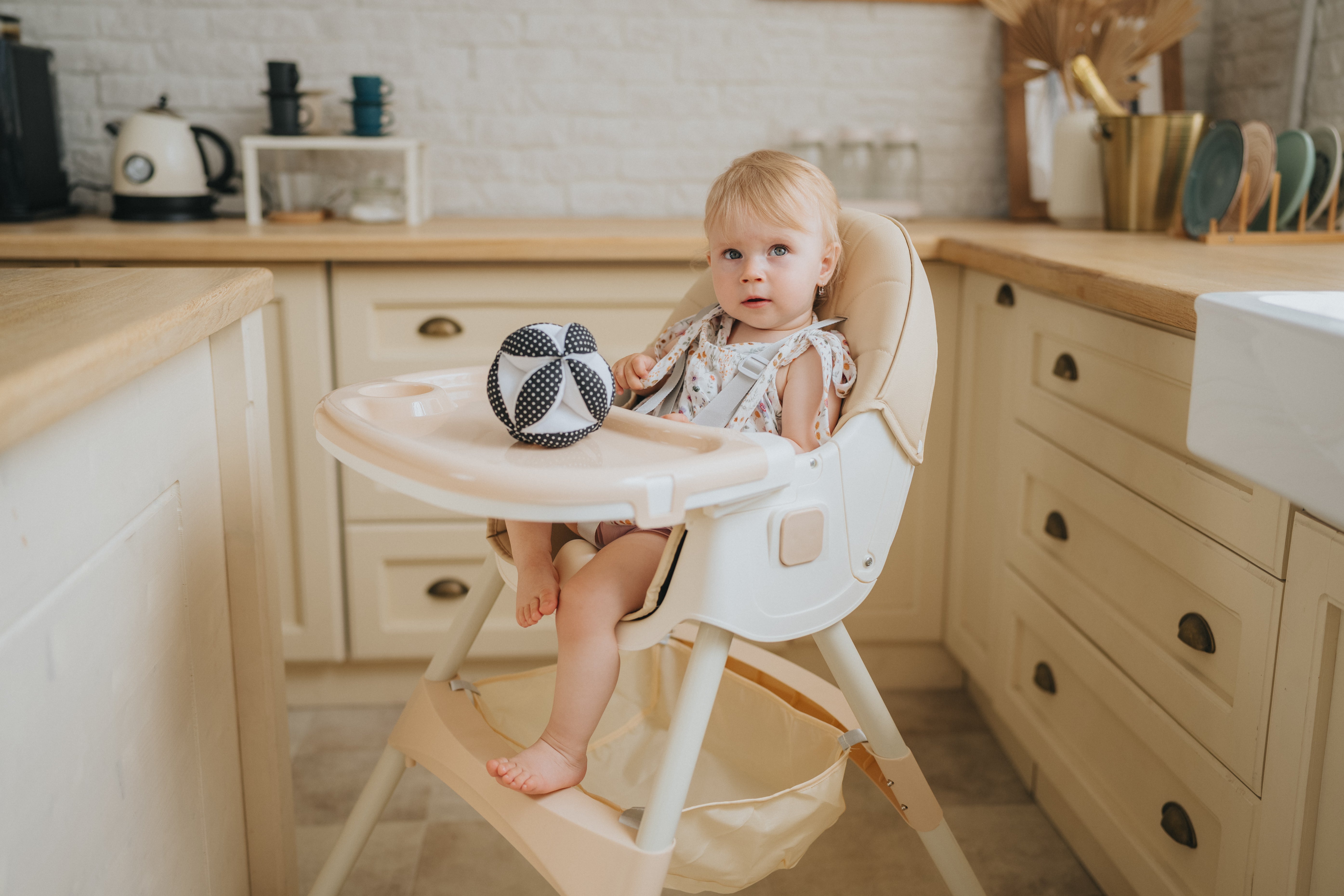
- Sitting - there is no need to sit the child up if they cannot do it yet, because they will figure it out on their own. Usually, once they manage to stand up from a fours position, sitting is the last thing they do. At first they try an oblique sit, and as they gradually strengthen their abdominal and back muscles, they will sit nicely with a straight back and legs stretched out.
- Pulling up on furniture and cruising around it - children are curious by nature, so once they manage to get onto all fours, they will naturally want to continue and stand up. Just keep an eye on whether they alternate their legs and step with both feet when transitioning to standing. You can motivate them to walk by using a toy or a treat, but the biggest motivation for them is definitely all the things around them that they will want to pick up.
- Independent walking - once the child is cruising around furniture, all that remains is for them to let go with their hands and set off into the open space. Here, above all, time is needed so the child can feel confident and have all the necessary muscles sufficiently strengthened. There is no need to use various walkers or lead the child by the hands, as this will not speed up their development.
So help your little one with the basic movements; thanks to them, they will beautifully strengthen all the necessary muscles in their body and will have the essential foundation for further and more complex activities.

Activities for toddlers and older children
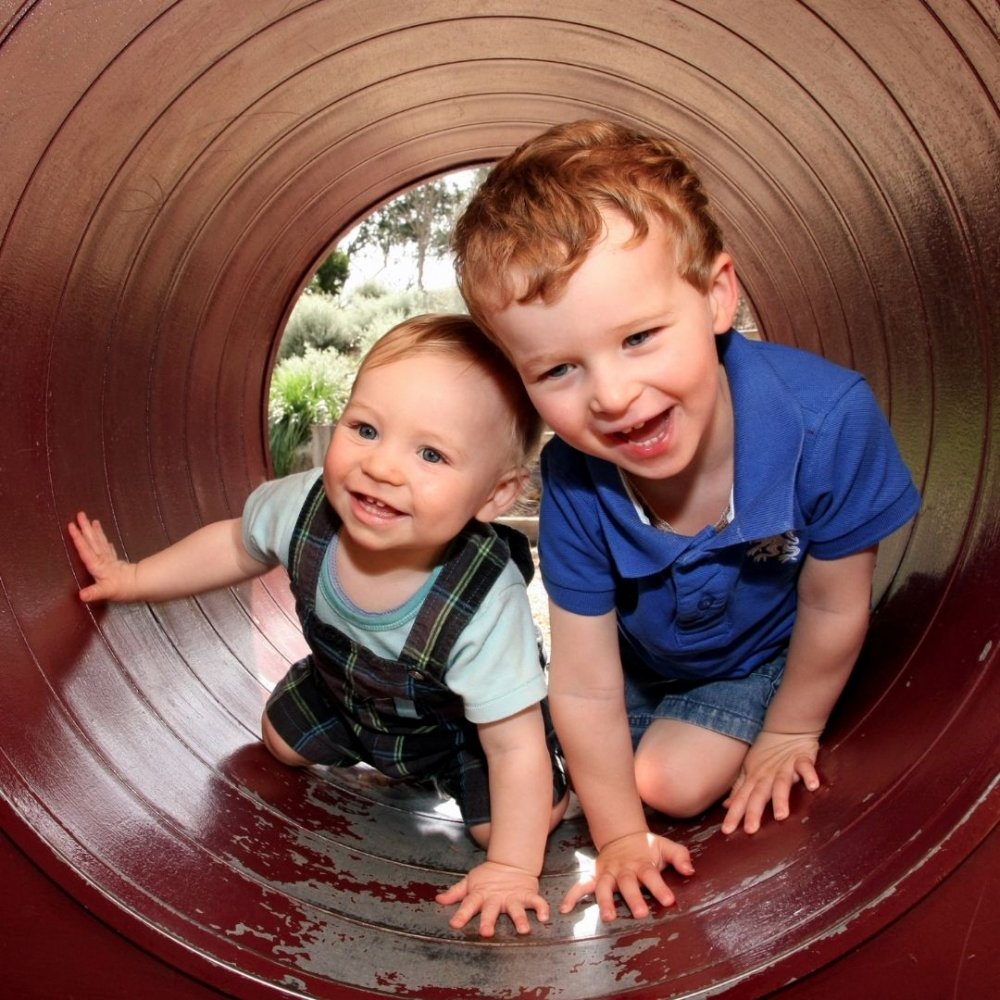
Once a baby has become a toddler and has mastered the biggest milestone, which is independent walking, they can develop their gross motor skills through other movements such as:
- walking up stairs;
- walking backward;
- standing or hopping on one foot;
- jumping on a trampoline or rope jumping;
- monkey bars - climbing over and under;
- rolling or throwing a ball;
- using a balance aid (e.g. balance stones, Montessori swing);
- hopscotch;
- standing on tiptoes;
- riding a balance bike and a tricycle, later a bicycle;
- dance mats;
- children’s climbing wall;
- and so on. You will surely come up with plenty of other similar activities that children will enjoy.
No matter how you support the development of your child’s gross motor skills, it is best if you also take part in these activities. Not only do children learn most by imitation, but it will also be more fun for them if they have a buddy with them. You will return to your own childhood and enjoy it all together very much.

Write a comment
This site is protected by hCaptcha and the hCaptcha Privacy Policy and Terms of Service apply.