

Now that we’ve got breastfeeding under control and can also handle caring for the first teeth, another task comes along, and that is choosing the first shoes. It might seem like an easy job. The child starts walking around the furniture, so we measure the length of their foot and then choose shoes from the available sizes based on that, picking ones we like the look of. But it’s not that simple, so how is it with shoes really?
When should you buy the first shoes?
There is definitely no need to rush the purchase. If a child is only cruising along the furniture and not walking on their own yet, then shoes are completely unnecessary. The muscles around the ankle need to be strengthened as much as possible, and barefoot walking helps with that. Ideally even without socks, so the little one can really get to know the world properly.
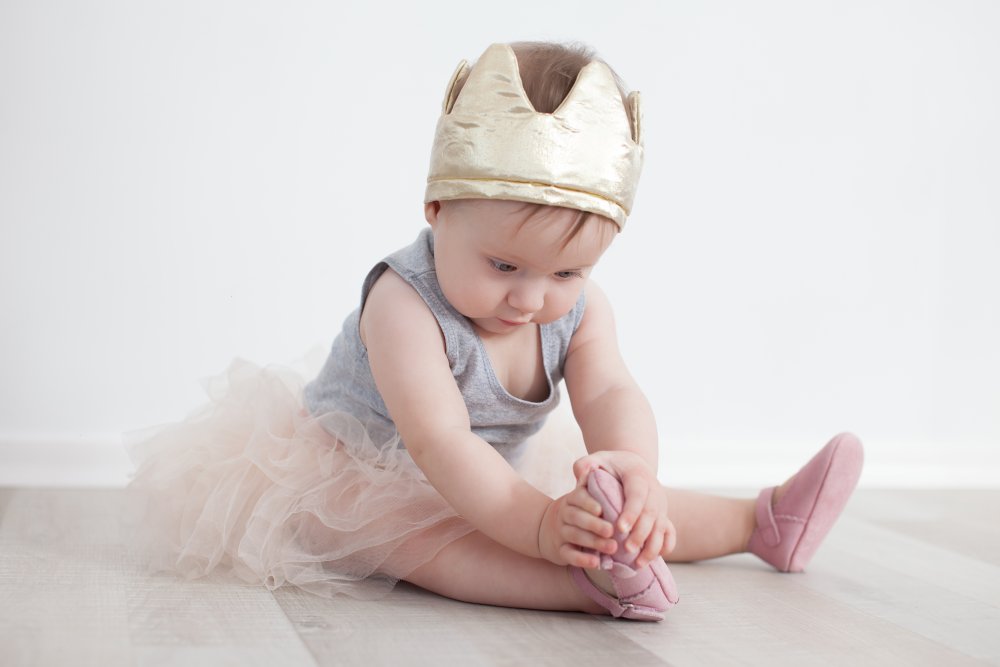
If you still need your child to have something on their feet outdoors, then leather slippers are ideal for that. They protect the little feet nicely, while still not restricting movement. If you need some shoes for the stroller or a carrier, then fabric slippers will do; they are made with different levels of insulation and serve only as an extra layer on the foot, not as protection for the foot while walking.
It is best to buy the first real shoes only once the child’s walking is stable, meaning the child can walk without support and without using their hands for balance. This period usually comes 3–6 months after the first steps, but it is very individual.
What shoes should you buy?
As written above, leather slippers are suitable, and in warmer months they can be worn outdoors, or you can use them, for example, at a playroom, when visiting someone, etc. Once walking is stable, the best option is barefoot shoes. These are shoes that are light, soft, and do not restrict the toes because they are sufficiently wide. These shoes do not have a firm heel, a heel, arch support, or an elevated toe, so the muscles in the feet can work and strengthen beautifully. In the past, it was recommended to buy shoes with a firm heel and heel counter, but that goes against proper foot development, and if you try putting a child in a firm shoe and then in a barefoot shoe, you will see a major difference. In “barefoot shoes,” children walk as if they were barefoot, and nothing seems strange to them about having shoes on their feet. If you put them in a rigid shoe, they will walk more like clowns, it will be awkward, they will lift their feet a lot and trip, and that can affect their walking style in the future and in adulthood.
When choosing barefoot shoes, the most important thing is the size, so the shoe is neither too small nor too big. Ideally with about 1 cm of extra length and 4 mm of extra width. You’ll have the greatest certainty if you go to a brick-and-mortar store, where the child can try the shoes on and trained staff can advise you on what will be the most suitable.
It all starts with the feet
If the muscles in the feet are properly engaged, then the calves, thighs, abdominal muscles, back muscles, and spine are also engaged properly, and the head doesn’t drift out of alignment either. If you’re hesitating about buying these barefoot shoes because they’re expensive and only last a short while due to children growing quickly, then definitely don’t hesitate. A child can wear a second-hand T-shirt and sweatpants with baggy knees; from a developmental point of view, that doesn’t matter, but with feet it’s the exact opposite — feet should be cared for. Unfortunately, even we adults don’t realize this, and we don’t attribute later problems like back pain, shortened Achilles tendons, headaches, etc. to shoes at all. So when choosing, don’t look at the brand or the design, but at functionality; your child will thank you for it in the future.


Write a comment
This site is protected by hCaptcha and the hCaptcha Privacy Policy and Terms of Service apply.