



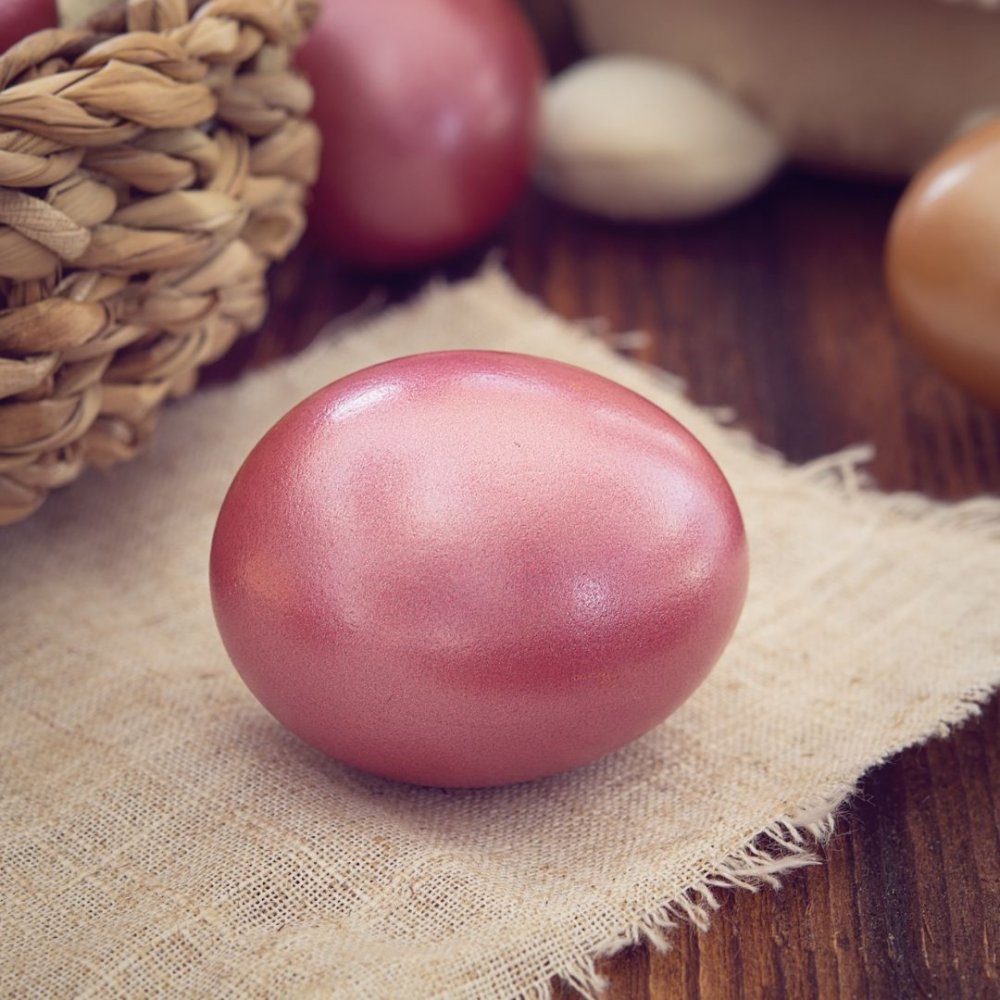
Egg dyeing is an inseparable part of Easter, but where did this tradition originate and what does it actually symbolize?
History of dyeing
The egg is a symbol of new life, rebirth, and a new beginning. That is why we can already find dyed eggs in the tombs of rulers in ancient Persia and Sumer. The Romans, too, used to exchange a red egg during spring celebrations, which Christianity later adopted and presented as Christ's blood. So it is highly likely that eggs have been decorated since prehistoric times. Here as well, specifically in South Moravia, dyed eggs have been found in graves dating back to the 11th century.
The significance of dyeing is probably more practical than decorative. In the past, people observed a fast from meat, dairy products, and eggs during this period, ending only at Easter. People therefore had to preserve eggs for later use; boiling extended their shelf life, and dyeing them distinguished them from fresh eggs.
The meaning of dyeing and decorating
At first, eggs were dyed mainly red, but gradually other colors and also decoration began to be used. Later, the meaning of individual colors became established, and a caroler would immediately know "what they were dealing with."
- RED - love and affection
- LIGHT GREEN - sympathy
- DARK GREEN - popularity
- BLUE TO PURPLE - hope
- YELLOW - rejection
- BROWN AND BLACK - no meaning
Decorated Easter eggs
This is a blown-out egg richly decorated and used as a decoration. Carolers were always given boiled eggs. In our country, Easter eggs are decorated using several techniques.
Wax painting - hot wax is applied to a colored egg, creating various ornaments - often floral patterns.
Wax batik - hot wax is used again, but this time gradually, and the egg is dyed several times. Finally, the wax is wiped off and a multicolored decorated egg remains.
Cabbage-brine Easter eggs - wax is again applied to a colored egg, and in the end the egg is dipped into sauerkraut juice, which etches the dye. Then the wax is wiped away, the color remains underneath it, and a beautiful ornament is created.
Straw Easter eggs - decorated with small shapes cut from straw.
Whether you decorate eggs using traditional techniques or modern methods, they are sure to bring joy. We wish you a wonderful Easter holiday.



Write a comment
This site is protected by hCaptcha and the hCaptcha Privacy Policy and Terms of Service apply.