

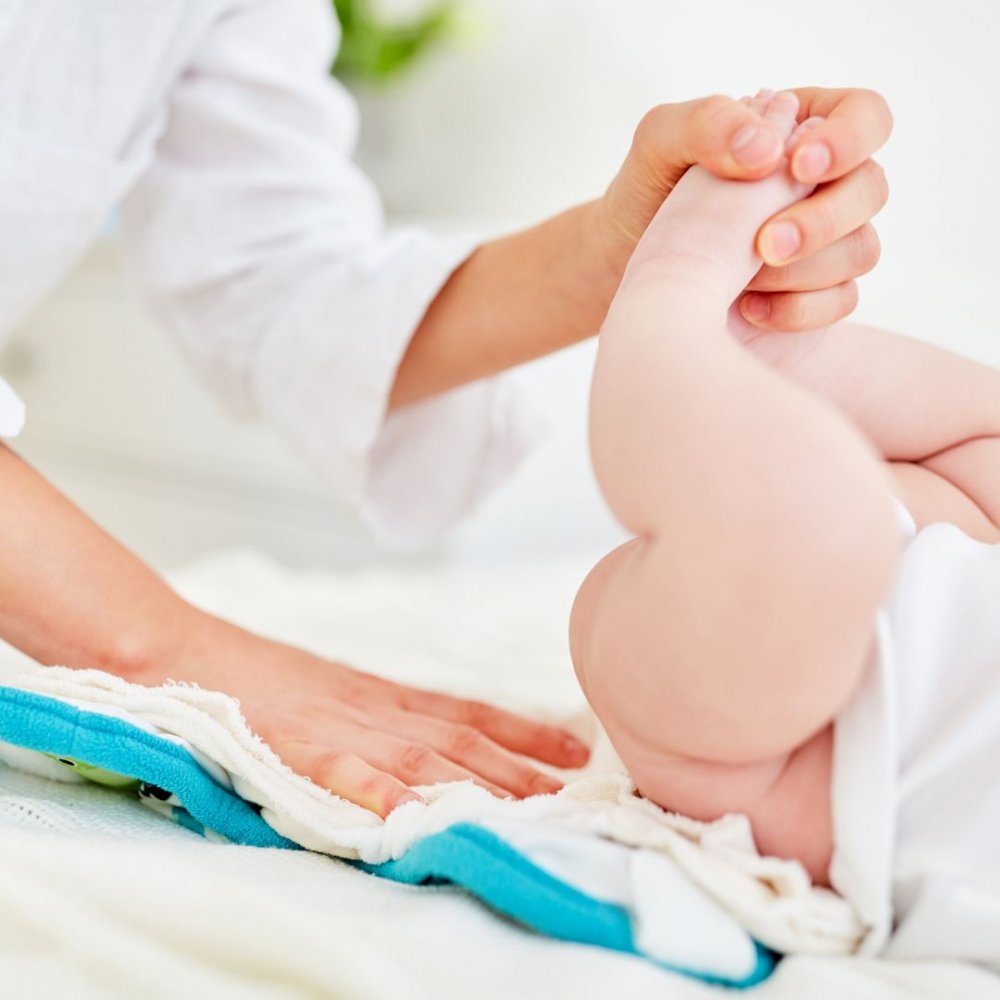
Cloth diapering is not just a return to the days before disposable diapers. It is also a modern trend. Today, there is no need to boil diapers anymore. There are much better materials on the market that can (fortunately) be machine washed. There are also more types and cuts of diapers available, so every mom considering cloth diapering will definitely find something to suit her. In addition to materials, there are also plenty of beautiful patterns on the market that will delight both you and your children.
Real Nappy Week
Real Nappy Week traditionally takes place at the end of April; this year it will be in the week from April 24 to April 30, and it is a week dedicated to raising awareness about cloth diapers and so-called cloth diapering. In the world, this week is known as Reusable Nappy Week and has been held since 1997. Let’s take a closer look at cloth diapers. What types there are and their advantages and disadvantages.
Advantages of cloth diapering
- Lower overall diaper costs,
- can be used for more than one child,
- diapers in good condition can later be sold,
- more environmentally friendly - less waste is produced,
- a healthier option for babies’ bottoms (they do not smell and do not release chemicals),
- beautiful patterns to choose from,
- great for the elimination communication method.
Disadvantages of cloth diapering
- Higher upfront costs,
- they have to be washed and dried (waterproof outer pants cannot be put in the dryer or on a heater so they do not get damaged),
- they are bulkier than disposable diapers, so it becomes a bigger bundle on the child’s bottom and the child needs larger clothing sizes,
when traveling, they are not as compact and you need to think about washing and storing them on the go.
Types of cloth diapers
AIO - All in one
The easiest to change, not as bulky, and just one piece, like disposable diapers. The downside is the high price and the need to wash the whole diaper more often. They are not suitable for nighttime use because of the risk of leaking around the legs.
SIO - Snap in one / AI2 - All in two
This is similar to AIO diapers, with the difference that all layers snap together using snap fasteners. The advantage is that the layers can be combined with each other and you do not need as many outer covers.
Absorbent layer + waterproof/outer pants
This is the most commonly used type of diaper, especially at the beginning. Waterproof pants can be combined with classic flat diapers, which are folded according to the child’s size and are then the cheapest option.
They can also be combined with multi-layer diapers, which are again folded as needed, or they can be added as an extra layer to flat diapers, for example at night, to increase absorbency.
The most comfortable way to combine waterproof pants is with fitted diapers, which are more expensive, but the easiest to handle. You just need to add extra inserts to increase their absorbency.
Types of outer pants
PUL
The most common outer pants are polyurethane, abbreviated PUL. They are not as breathable, but they dry faster and are thin.
Wool pants
Another option is wool outer pants, which are made from merino wool, which regulates the child’s body temperature - it warms in winter and cools in summer. They are best for nighttime because of their high breathability, but they are more demanding to care for. The pants must not be machine washed and need to be treated with lanolin.
Fleece pants
Fleece pants are more breathable than PUL, but less than wool. They do not need to be treated and dry quickly. They are not suitable for sitting children because they become damp more easily. With fleece, it is important to watch out for allergic reactions.
Sizes of cloth diapers
- newborn - suitable from birth up to about 6 kg
- growing (one-size) - diapers suitable for the entire cloth-diapering period, from about 4 kg to 15 kg; the size is adjusted using snap fasteners and they may not fit smaller babies well around the legs, so it is better to use newborn ones instead
- multi-size - diapers designed for a specific period; the advantage is less wear and tear, while the disadvantage is the need to buy larger sizes more often
Accessories for cloth diapers
- Snappi fastener - used together with flat diapers or multi-layer diapers
- waterproof diaper bag - useful when traveling away from home for both clean and dirty diapers
- liner diapers - used to catch stool, protect against heavier soiling, and keep diapers cleaner
- diaper bag - useful for collecting used diapers, then the open bag can be put into the washing machine together with the diapers and emptied easily
- under-diaper care - wipes and Medvídek washing oil
- washable changing mat
If your head is spinning after reading the article and you do not know which diapers to choose for your baby’s essentials, try cloth diapers from Monkey Mum. They fit beautifully, have lovely designs, and during Real Nappy Week they are also affordable for every parent.


Write a comment
This site is protected by hCaptcha and the hCaptcha Privacy Policy and Terms of Service apply.