

One day comes when parents need to teach their child to drink from a cup, because they no longer want to use bottles with spouts or straws, or start using them at all. But if they have never tried it with the child before, it may not go quickly and easily. So how do you do it?
When to start teaching cup drinking
The ideal time is to start cup drinking as soon as you introduce any liquids to the child (water, tea, broth), usually with the first solid foods. There is no need to use various bottles with a pacifier, teat, or straw; it is enough to use a cup from the start, because the child will get used to it and it will not be necessary to teach them later. In addition, breastfeeding counselors do not recommend using bottles because there is a risk that they will interfere with breastfeeding.
When to switch from a bottle to a cup
If you use bottles, then the age at which to start teaching a child to drink from a cup is very individual. Drinking from a bottle is very convenient for parents, because the child can feed themselves, especially when traveling, and you do not have to deal with wet clothes. It is therefore up to you when you are ready to start teaching and whether the child is ready too. If it does not work right away, do not despair and keep trying. A child needs to practice with a cup for longer than just a few days, so the earlier they become familiar with a cup and another drinking technique, the sooner they will manage to drink on their own without accidents.
Why not use bottles
- It can cause problems with breastfeeding - the technique for drinking from a bottle and from the breast is different,
- the child may start biting while breastfeeding - when they bite a teat, it does not hurt anyone, but during breastfeeding they may not realize it,
- the jaw may become deformed - simply put, drinking from a bottle is not natural,
- the child relies on the water not spilling.
How to teach in practice
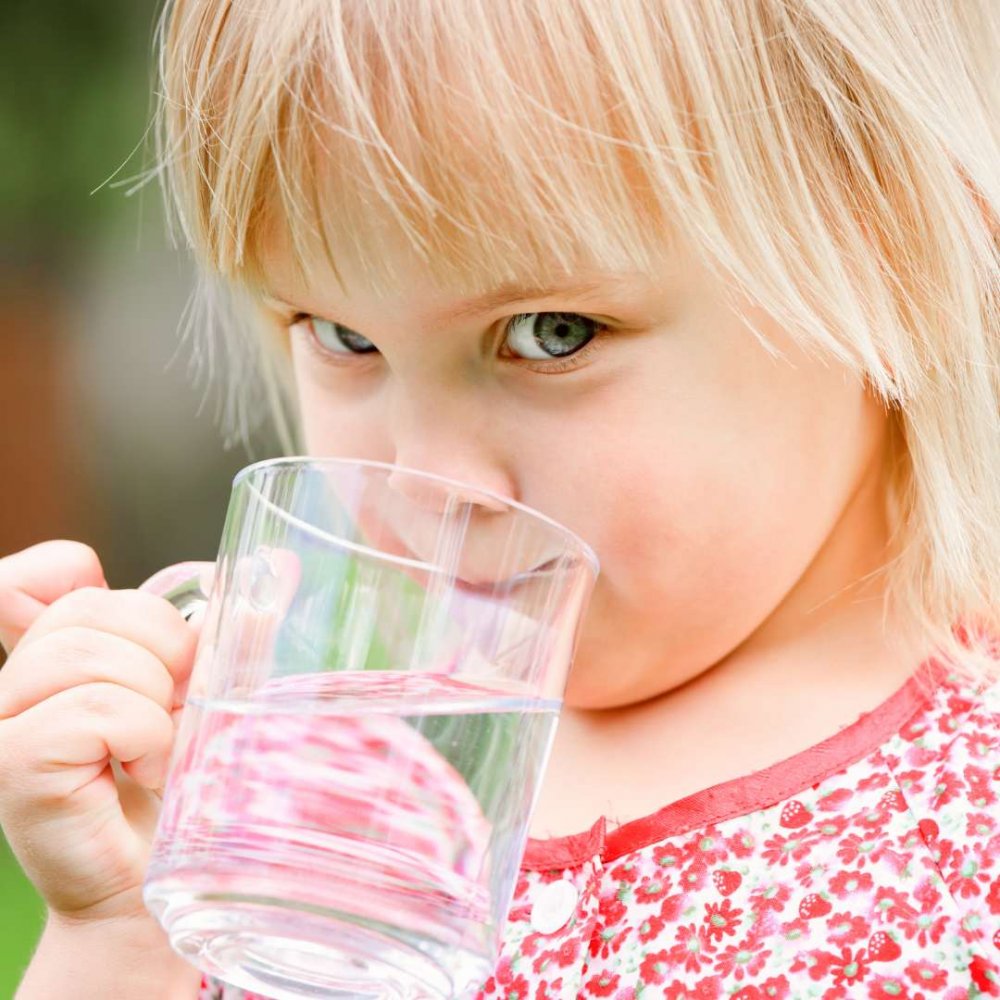
At first, hold the cup for the child while they drink; this shows them how to do it, and later they will be able to hold the cup themselves. When you give the cup to the child, it is better to fill it only with water and only halfway or even less, so that if there is an accident, you will not have as much cleaning up to do.
At first, children will play with the cup, or rather with its contents. It is therefore better to get a shatterproof cup - plastic or stainless steel. You can expect them to throw the cup, dip their hands into it, pour water from the cup, spit out the water they have drunk, etc. Summer is definitely a great time to learn to use a cup, because spilled water dries faster and you do not have to change a wet child right away. Alternatively, you can practice in the bathtub, where it will be great fun for the child.
Training cups
If you are already using a bottle and would like to switch to drinking from a cup, a so-called training cup can help. Not all children will warm to it, but you can try. It is a cup that mimics drinking from a real cup, but its contents do not spill out. So it is a kind of intermediate step that can make learning easier for you. In addition, with a training cup you do not have to deal with complicated washing as you do with bottles.
Just like crawling, walking independently, or using a potty, sooner or later a child will learn to use a cup and drink from it without its contents ending up anywhere other than in their mouth. Keep trying, keep trying, keep trying, and do not get upset with the child if it does not work right away. Spilled water is a great opportunity to clean up together and learn to wipe up spilled water afterward.


Write a comment
This site is protected by hCaptcha and the hCaptcha Privacy Policy and Terms of Service apply.