

Article author: Iveta Bartošová
Sometimes parents are unsure whether to keep a child at home or whether they can go into a group setting with other children. They hesitate even more when it comes to preschool children, because that is somehow dealt with more often in kindergartens. So when should you keep a child at home, and how do you handle missed lessons for schoolchildren?
Illness and kindergarten
Mild runny nose
There are kindergartens that accept children with a mild runny nose, who sneeze occasionally during the day and whose nose runs or who rarely get a small drip from the nose during the day. In some kindergartens even this kind of runny nose is unacceptable and the child must stay at home.
Other illnesses
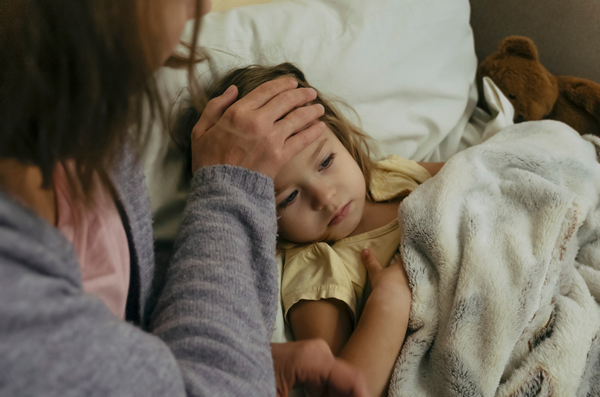
If a child has an elevated temperature or even a fever, is vomiting, has diarrhea, has developed spots on the body (chickenpox or fifth disease), has lice, is coughing even while resting, or has a sore throat, then they must definitely stay at home. Not only could they infect someone else, but they also would not be able to fully take part in shared activities because they would not have the strength or the mood for it.
Sometimes it is better to stay home with a child when they start complaining of a headache, body aches, ear pain, or a sore throat. This can help ensure that the illness does not fully take hold and that it turns into just a few days of rest with tea, broth, and a quiet routine.
Ideally, after all symptoms have subsided, the child should stay at home for a few more days (best of all for an entire week, though which working parent can afford that), so they do not return to the group with weakened immunity. Otherwise, it could happen that your child is back home again in a few days and you end up stuck in a cycle of illnesses.
How to keep boredom at home at bay
So that the child does not fall out of the kindergarten routine too much and does not get too bored at home, you can read fairy tales together every day, sing songs to them; if the child is not just lying down, you can draw, cut things out, glue things, make something out of modeling clay, build with blocks, and so on. Short health walks will not hurt either.

Illness and school
When to stay home
For children who already go to school, runny noses and coughing are individual matters and are not such a big deal. Schoolchildren can usually blow their noses without any problem, cough into their hand, wash their hands more often, and suck on a lozenge for a sore throat. Of course, the same applies to them: they stay at home if they are vomiting, have diarrhea, fever, chickenpox, or lice.
They should also return to the group only after several days of recovery; at the same time, it is recommended to skip any physical activities for a week, such as physical education at school and sports clubs outside school.
And what about the missed material
Today, most schools have online access to teaching materials, so it is enough for a parent to check what topic was just being covered and whether any assignment has been given. If necessary, an email can be sent to the teacher, and they will send everything you need. Some assignments can be handled by the child without any problem when they only have mild symptoms of illness, such as a runny nose and cough. However, there is no need to overdo anything, because in this case it is more important that the child gets well again than that the assignments are done and the material memorized. As a healthy child, they will catch up much faster anyway.
If, however, the child feels like studying, you can try to find some interesting videos on the topic on YouTube so they do not have to learn only from books, or arrange a video call with a classmate who can fill in the necessary information. There are more ways to catch up on missed subjects at home; it always depends on what you choose.

In short
Colder months also bring more frequent illnesses and more missed days at school and kindergarten. In the case of a mild runny nose, it is up to each parent to decide whether to let the child go into the group or keep them at home instead. With a fever, diarrhea, vomiting, or a sore throat, the child should clearly stay at home and recover. With younger children, you can read books, sing songs, draw pictures, make things out of clay, or cut things out at home. With older ones, you can play cards or some board games. After the illness has passed, when the child is just resting to regain lost energy, you can start studying and doing assignments from the missed material, but all in moderation; there is no need to overdo it, and you should definitely wait until the child has the strength for it.
How do you handle children’s illnesses? When do you keep children at home, and what does a typical “sick” day look like in your household?

Write a comment
This site is protected by hCaptcha and the hCaptcha Privacy Policy and Terms of Service apply.