

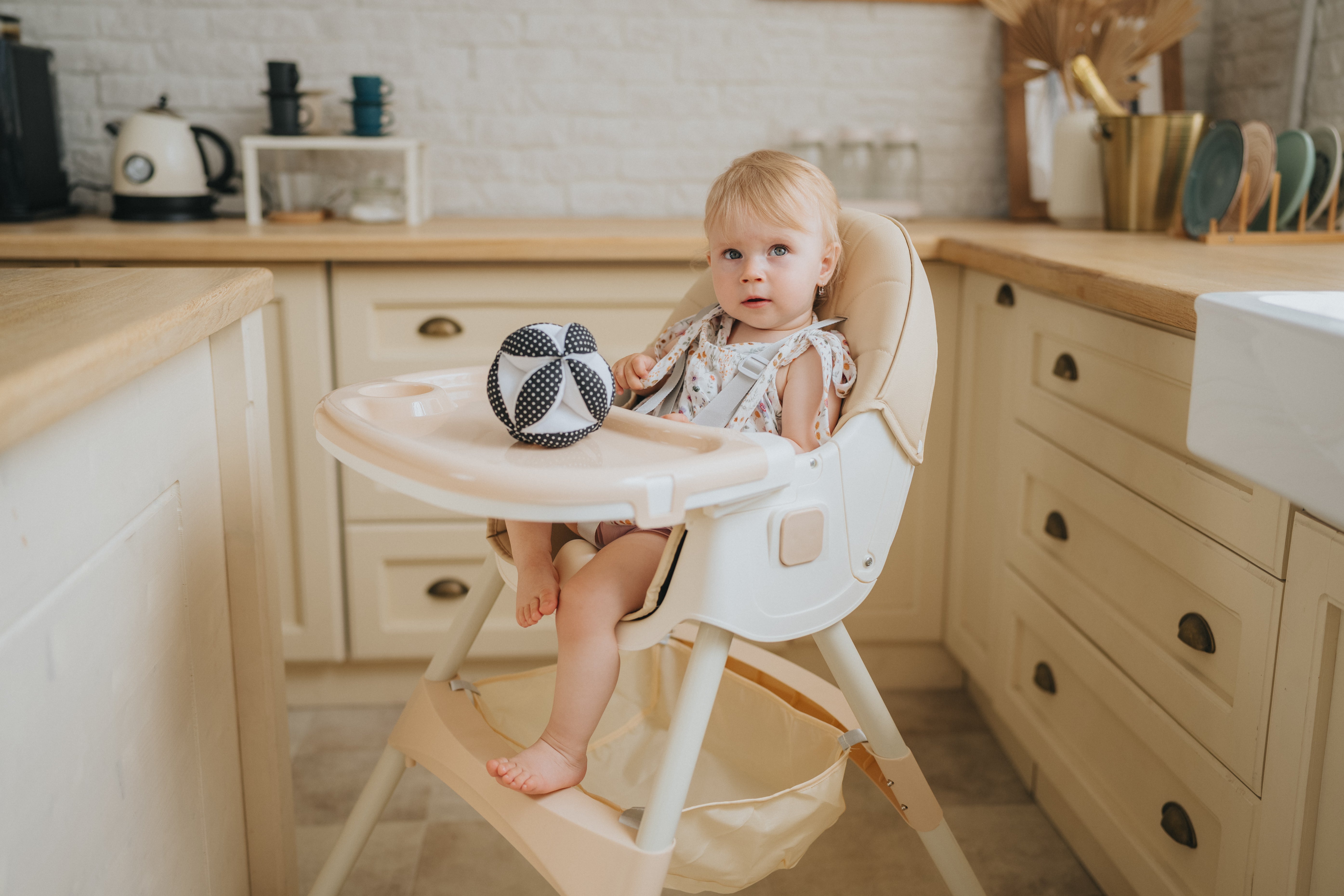
Without a doubt, one major topic is the first solid foods, which are introduced to children between the 4th and 6th month of life. Children at this age usually sit nicely at the table and eat; they spit some things out, can’t get enough of others, so to speak, and would eat two portions. Later comes a period when children are very restless and can only stay seated at mealtimes for a few bites, then they climb out of the high chair or wander away from the table. How do you deal with a child who doesn’t want to sit at the table?
Don’t force the child to eat
It’s good when the child decides on their own how much to eat. Children’s appetites change quickly, so if they barely eat for a week, it doesn’t mean it will stay that way. When a child is not forced to eat, they can notice their body’s signals, when they are hungry, and eat at the right time or ask for food.
When they don’t want to sit or eat
There may also be a situation where the child not only doesn’t want to sit at the table, but even when they do sit down, they still eat nothing. In this case, it may be the beginning of an illness, when the child has no thought of food at all, or they may have some reason of their own that we adults are often unable to figure out. If you offer food and the child doesn’t want it, then let them go hungry until the next meal, but in the meantime don’t give them any cookies, sweets, etc.
Don’t make such a big deal out of food
In families where food is discussed a lot, children have trouble eating it. So don’t make food such a big topic. Offer the child breakfast; if they don’t want it, try offering a snack instead and don’t make too much of a fuss about it. Some children simply eat less and that’s enough for them. Just like us adults, a child won’t starve themselves voluntarily.
Don’t worry about the mess at mealtimes
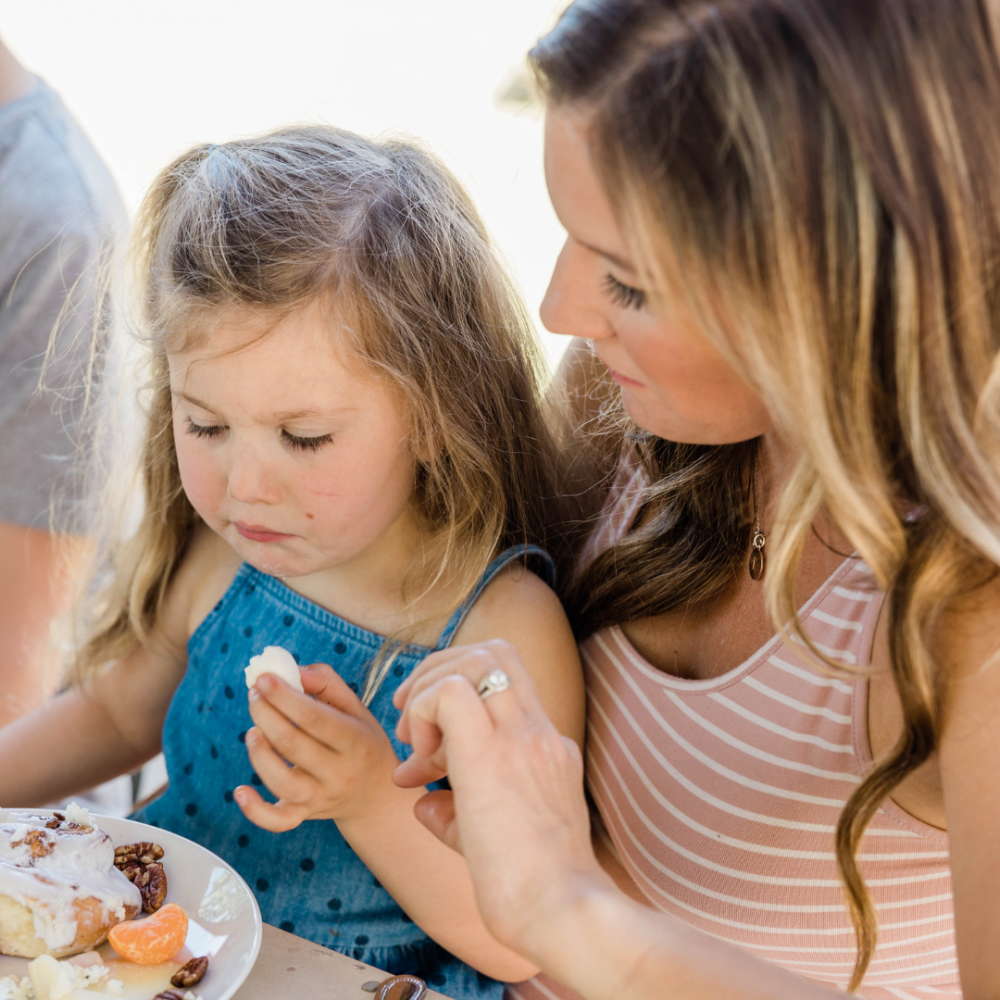
A child will learn to be neat at mealtimes much faster when they get to try making a mess, when food falls from the plate to the floor, when they touch the food with their hands, explore all the textures of the food, and try a fork and spoon. For many children, it can be much more appealing if they can eat on their own without their parents’ help at a big table with others, instead of in their high chair off to the side and being fed by mom.
The dishes and presentation of the food matter too
For children, what they eat from matters, so you can go to the store together and choose a plate, bowl, cup, and cutlery. Then the child will look forward to mealtime more. Before eating, the arrangement on the plate is also important for the brain, because we eat with our eyes, so if the food is nicely served, we are more willing to eat it. With children, you can have fun arranging food on the plate; you can try different designs, and you’ll surely find countless sources of inspiration on the internet.
Set rules for mealtimes
The most important thing of all will be setting your boundaries. At mealtimes, set rules so that everyone knows that at the table you sit, you don’t go for toys, you don’t watch TV or look at a phone, and everyone (including adults) respects this. If the child is used to getting up from the table, it will probably be difficult at first, but believe that after a few days the situation will improve significantly. If the child gets up from the table, offer to help them clean up, because their food will be taken away and the next meal will only be a snack / lunch, etc.
This also applies to toddlers who have recently started walking on their own. They often don’t stay in the high chair and after a few bites want to climb out of it and would rather explore everything around them, anything but the food. This is completely natural; children are “bothered” by food and “don’t have time for it” when they are so absorbed in discovering the world. However, be careful about forcing them to eat with phrases like: “you’ll stay here until you finish it.” Rather say: “this is what we have for lunch; if you don’t eat it, the next meal will be a snack, so I’ll take it away now and you can go play.” Fasting won’t harm the child, and they will most likely happily eat the next meal while sitting down.
According to mom forums, there are lots of children who are willing to eat only if they have toys, a fairy tale, or can walk around with their food or take it from the table whenever they need to. Mothers themselves admit that it’s not ideal, but that they are glad their children at least eat something during the day, and therefore they don’t really address the way they sit at the table.
So it is up to you how you approach mealtimes. Above all, don’t stress too much about this topic, and if none of the suggestions above really work for you, then simply accept it and you’ll see that in a few weeks or months, or perhaps with the start of kindergarten, a lot will change.
If you set some rules for mealtimes, then stick to them anytime and anywhere, so the child isn’t confused by things being done one way one time and differently another time. We wish you pleasant mealtimes.


Write a comment
This site is protected by hCaptcha and the hCaptcha Privacy Policy and Terms of Service apply.