

First we put a diaper on the child, and then all of a sudden we want them to be diaper-free soon. The child is breastfed and then we wean them from the breast overnight. They sleep with us in our bed or next to us in a crib, and suddenly we need them to sleep alone in a child’s room. We feed our child and then force them to eat on their own with cutlery. There are many such demands placed on a child, and just like us adults, a child cannot make a change from one day to the next either, especially if they have been used to something for several months or even years. So how can we handle cutlery in a way that helps the child become independent naturally and learn to eat with a spoon and fork on their own?
Imitation
Eat together so the child can see you using a fork, spoon, and knife as much as possible and copy how it is done. If the child has an older sibling, they will surely want to do the same thing as he/she does soon.
Don't be afraid of mess
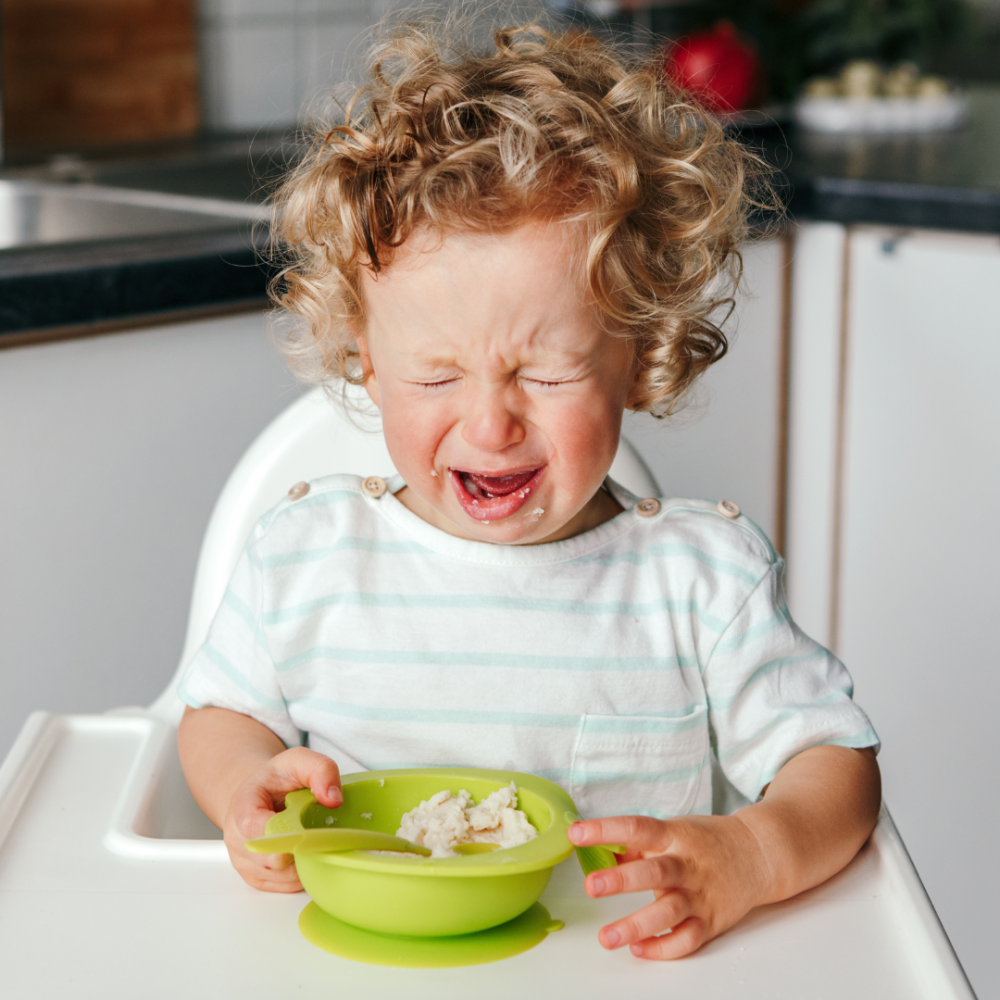
Many parents feed their children precisely because they fear a big mess and constantly dirty clothes. Yes, there will be a mess, but once the child figures out how, they will stop making it. At first they will discover gravity, so they will throw food on the floor. They will be interested in the textures of foods, so they will squeeze them between their fingers and splash soup with their hand. Then they may pour water from a glass into a plate, etc. It is nothing unusual; all children do it if they are given the space. So that you do not have to deal with constantly dirty clothes, especially if the child does not want to wear a bib, let the child eat naked and then shower them afterward.
Try the BLW method
Let the child eat with their hands rather than using a spoon so they can practice hand-eye coordination and later be able to use cutlery more easily. Thanks to BLW (baby-led weaning), the child gets to know food with all their senses, and once they have touched and explored everything and satisfied this need, they will not make as much mess and will start eating with cutlery. In addition, this helps train their fine motor skills through a great game with food, which is fascinating.
Give the child a fork instead of a spoon
A fork is easier for a child because they can spear the food onto it and it doesn't fall straight off with any movement other than toward the mouth. Don't worry that the child will poke themselves with the fork, and if they happen to push it a little too far down their throat, then they will know next time that it is not pleasant and won't do it again.
Leave the knife until last
You can train knife use by cutting modeling clay, slicing a banana into rounds, or cutting a cucumber. It depends on what you feel confident with and what options you have at home.
Don't force the child
Pressure creates counterpressure, and that is not what we want. When the child is ready to use cutlery, they will be happy to try. The important thing is that they always have cutlery available at mealtimes. If your child refuses to eat with a spoon or fork even at age 3 and you need them to eat at preschool, don't despair—they will quickly copy their peers because they won't want to lag behind.
Arm yourself with patience and persevere. Every child has their own pace and will learn everything when they want to and need to. Above all, do not punish the child for the mess and instead clean it up together. You will see that later the child will want to help you with wiping up spilled drinks or sweeping up the crumbs they made.

Write a comment
This site is protected by hCaptcha and the hCaptcha Privacy Policy and Terms of Service apply.