

Every parent has undoubtedly experienced at least once that their child wanted some kind of pet at home. Usually it’s dogs and cats, but rabbits and guinea pigs are not exceptions either. Often the question arises whether the child will really take care of the animal or whether it will be up to the parents and the child will soon lose interest in the pet. So when is it appropriate to bring home a new member of the household, and why do it?
International Animal Day
Before we explain why it is good to get children a pet, it is certainly worth mentioning a special animal holiday. This is International Animal Day, which was established in 1931 in Florence, Italy, in honor of the feast day of St. Francis of Assisi, who was the protector of all animals, both sick, abused, and abandoned. Since 1994, every year on October 4 we have also been reminding ourselves that animals are important beings for us too and that we should treat them considerately, avoid mistreating them, and not restrict their freedom. On this day, various charity collections are organized and some zoos come up with special programs. You too can support animals, whether at the zoo or at a rescue station.

When and why to get children a pet
You can bring a pet into the household at any age of the child, however you must always keep in mind that you adults are responsible for it regardless of the child’s age.
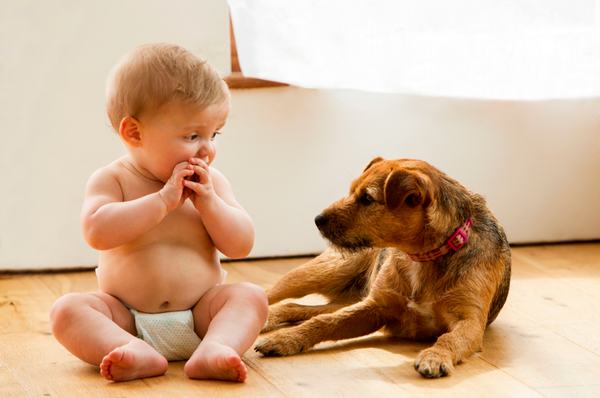
Toddlers will first form some kind of bond with the animal, watch how it moves and what sounds it makes; in short, it will be something interesting to them that does not look like a person.
With older, preschool children, there may already be a problem in that the child does not yet realize that the pet has different needs and does not want to play whenever the child wants, will not eat whenever the child gives it food, or will want to sleep exactly when the child wants to play with it. The child sees it as a toy. Therefore, many conflicts may arise.
The ability to empathize with and be patient toward animals develops in children after their 7th birthday, when caregiving tendencies begin to develop and when they can already take partial care of a pet (pour in pellets or grain, refill water, change bedding, take it for a walk, etc.).
Only around the age of 11–13 is a child mature enough to take almost complete care of a pet on their own, and possibly even train it; they become true companions.
Without a doubt, one great advantage of pets in the home is animal unconditional love. The child is not judged by the animal; they are friends in good times and bad. A pet can improve mood, reduce stress, be the best friend a child is not afraid to confide in, and at the same time caring for it teaches the child greater responsibility.

What pet to choose
Which pet to choose depends on several factors, including:
- allergies - some children are allergic to animal fur or feathers;
- financial costs - you need to consider how much the necessary equipment for the new pet will cost, what the monthly costs of the animal will be, and how much a possible vet visit will cost;
- the child’s personality - more active children will suit a dog, while calmer children will do better with a cat, parrot, or hamster, and less tactile children who like to watch may enjoy a turtle or fish;
- enough time - consider whether you will have enough time to devote to the pet, if you choose one that needs it; for example, a dog needs to be taken for walks every day;
- travel - if you like going on trips, it is good to think about a pet that can travel with you or someone who can look after it for you.

Safety first
If you decide to get a pet that will have free rein around the apartment/house, such as a dog, cat, rabbit, etc., then it is a good idea to think about everyone’s safety as well.
Playpen
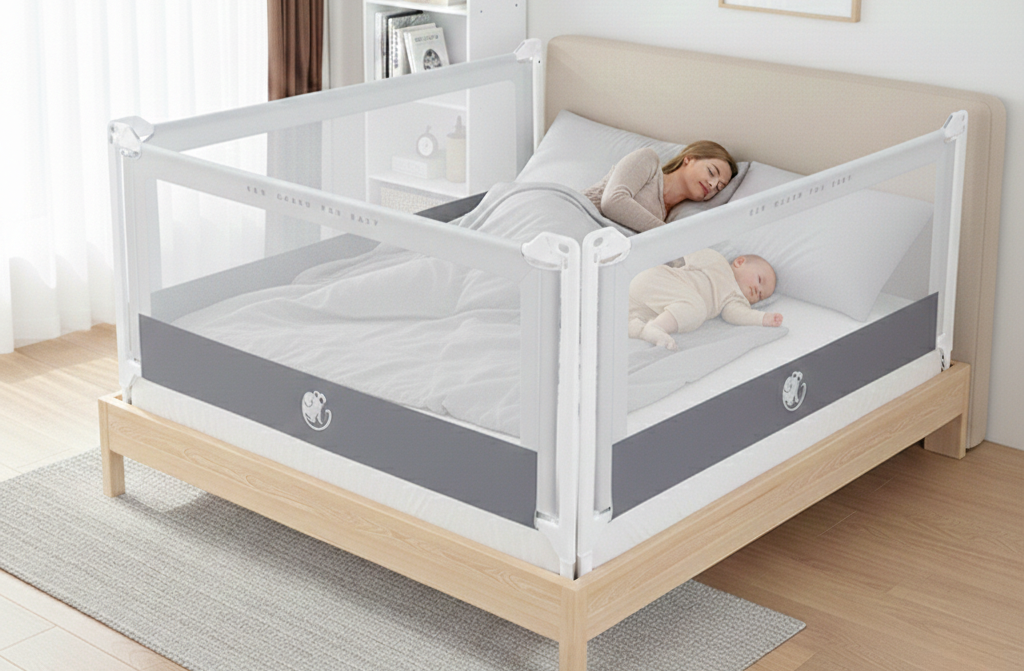
A great helper can be a safety playpen. You can use it both for your child and their toys, as well as for the pet. Especially for younger children who have not yet developed empathy and could pull, squeeze, cover with a blanket, prevent the animal from leaving, or otherwise bother it whenever it is resting or eating, a playpen can be a great choice.

Barrier
Another option is to get a safety gate for doors or stairs. This way you can separate the child from the pet when you need to step away and won’t have them in sight, or when one of them needs privacy, for example to sleep, eat, or use the bathroom.

In short
Every year on October 4, International Animal Day is celebrated, reminding us that animals are important to us too and that we should treat them kindly, not abuse them, and not restrict them. If you decide to get a pet for your children, you should answer basic questions such as your financial means, whether the child is allergic to fur, whether you will have time for the pet and be able to devote attention to it. The child’s age also matters: toddlers can be a little dangerous for animals, preschool children tend to see them more as toys, and only school-age children are able to respect animals’ needs and care for them with love. Later, they become great companions, and the child sees them as their best friend, someone who can always listen, improve their mood, and through caring for them the child becomes more responsible.
At what age did you get a pet for your household? What kind was it, and how did the adjustment go?


Write a comment
This site is protected by hCaptcha and the hCaptcha Privacy Policy and Terms of Service apply.