

Hardening adults has been quite a discussed topic these days, especially hardening using the Wim Hof method. If we are already hardening ourselves, then we definitely should not forget our children, for whom less clothing can help with better immunity, better sleep, better mental health, and also support appetite. How and when should you start hardening children, and what should you prepare for?
When to start hardening children
You can start already from birth with a baby. Infants do not yet have well-developed thermoregulation, so they get cold or overheated more quickly; however, if you expose them to cold for just a few minutes a day, whether outdoors or in water, you will not harm them at all. What matters is that you always warm them up after exposure to the cold. So you can start at any age. With younger children, it will go more quickly, because they will not yet be delicate and will be happy to try different kinds of cold on their own skin. The ideal time to begin is the transition from warm to colder days, that is, with the arrival of autumn.
How to start hardening children
You can harden children in many different ways. The easiest is to start hardening in water, and then dress them less at home and outside.
- Hardening in water - every day you can lower the bath water temperature by one degree, or near the end of bath time mix in a little cold water so the child can get used to it gradually.
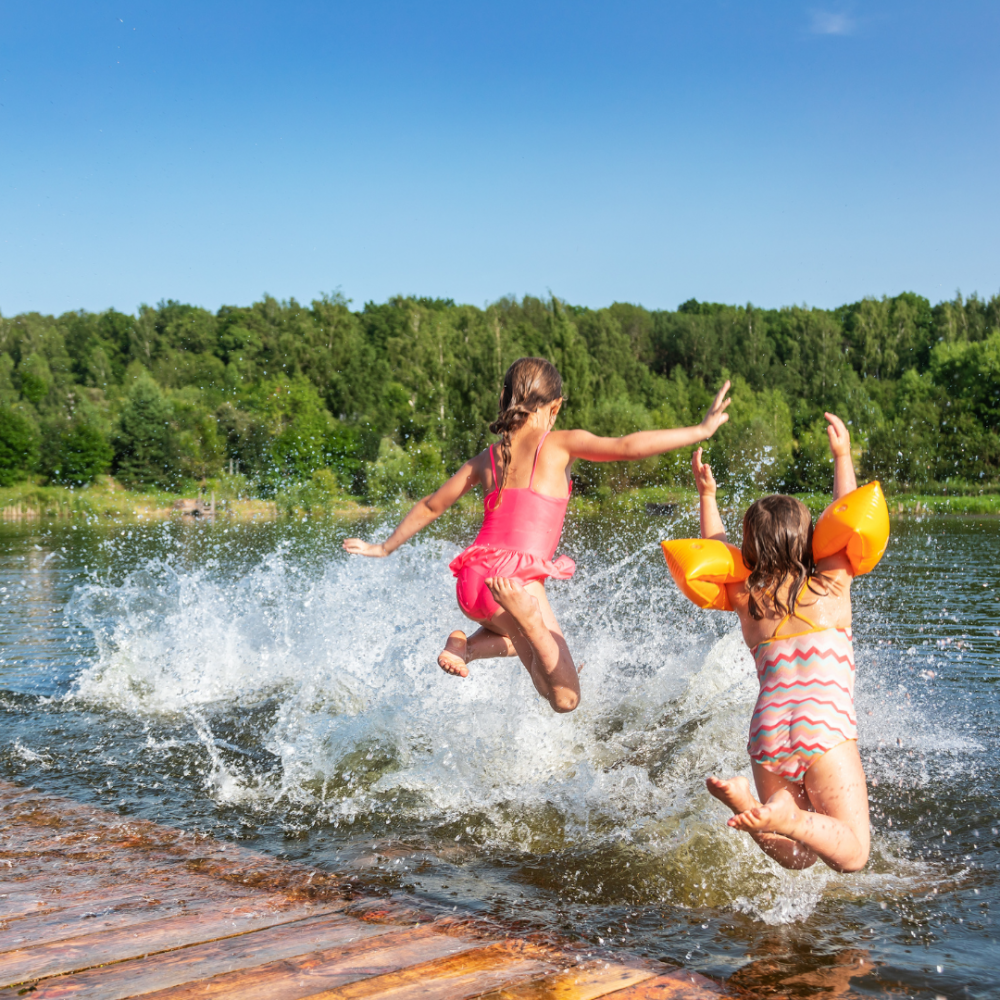
- Baby swimming - the water temperature in pools designed for baby swimming is around 30-32°C, which is quite a bit lower than what a baby thermometer shows when placed in the tub, so swimming courses will help you harden children in a gentle way.
- Less clothing is more - there is no need to constantly “bundle up” children in the belief that otherwise they will be cold; rather, take an extra layer of clothing with you when you go out, and add it if needed. If you keep changing a child's clothes all the time, the child will gradually stop perceiving whether they are warm or cold and will become delicate.
- Heat less - even in the winter months, air out often and do not stay in an overheated room; the ideal home temperature is around 20-22°C.
- Be outdoors in any weather - of course, if there are no severe frosts below minus 10°C, hail, or a storm, go outside with the children whenever possible.
- Do not dress children more warmly than yourself - the exception is smaller children who lie in a stroller; they may have one extra layer, while older children can actually have one layer less, because they warm up through constant movement.
- A cooler room for sleeping - gradually lower the temperature in the sleeping room until the child can even sleep with an open window on colder days.
- Let the child walk naked at home - this also applies in colder months; there is no need to immediately dress them, whether in the morning from pajamas into daytime clothes at home or, conversely, in the evening into pajamas.
- Do not rush during diaper changes - you can leave a small baby naked for a few minutes during diaper changing; use the time, for example, for tummy time or practicing rolling over onto the sides with a toy or a sound.
- Sleeping outside in a stroller - if the child sleeps in a stationary stroller, let them sleep outside in any weather and dress them appropriately; an extra layer is desirable in this case, because when we sleep, our body temperature drops.
What to prepare for when hardening children
Since many parents have grown up with the belief that without a hat and gloves a child will get sick, that cold feet mean the child is cold, or that shorts in the snow mean a guaranteed cold, runny nose, and cough, it is necessary to prepare mentally for hardening children.
- Relax - brief exposure to cold will not harm a child in any way; on the contrary, it is beneficial and helps the child build immunity, become familiar with different temperatures, and experience them firsthand, which is an experience for them and helps them dress appropriately in the future. So let go of ingrained patterns and relax in situations where you feel the urge to over-control the child and immediately dress them.
- Do not force hats and gloves - children often do not want to wear hats or gloves because they are warm or because they restrict movement. So do not worry that a child will get sick just because they do not have a hat or gloves. Many adults, perhaps most, also do not wear them and are not sick because of it.
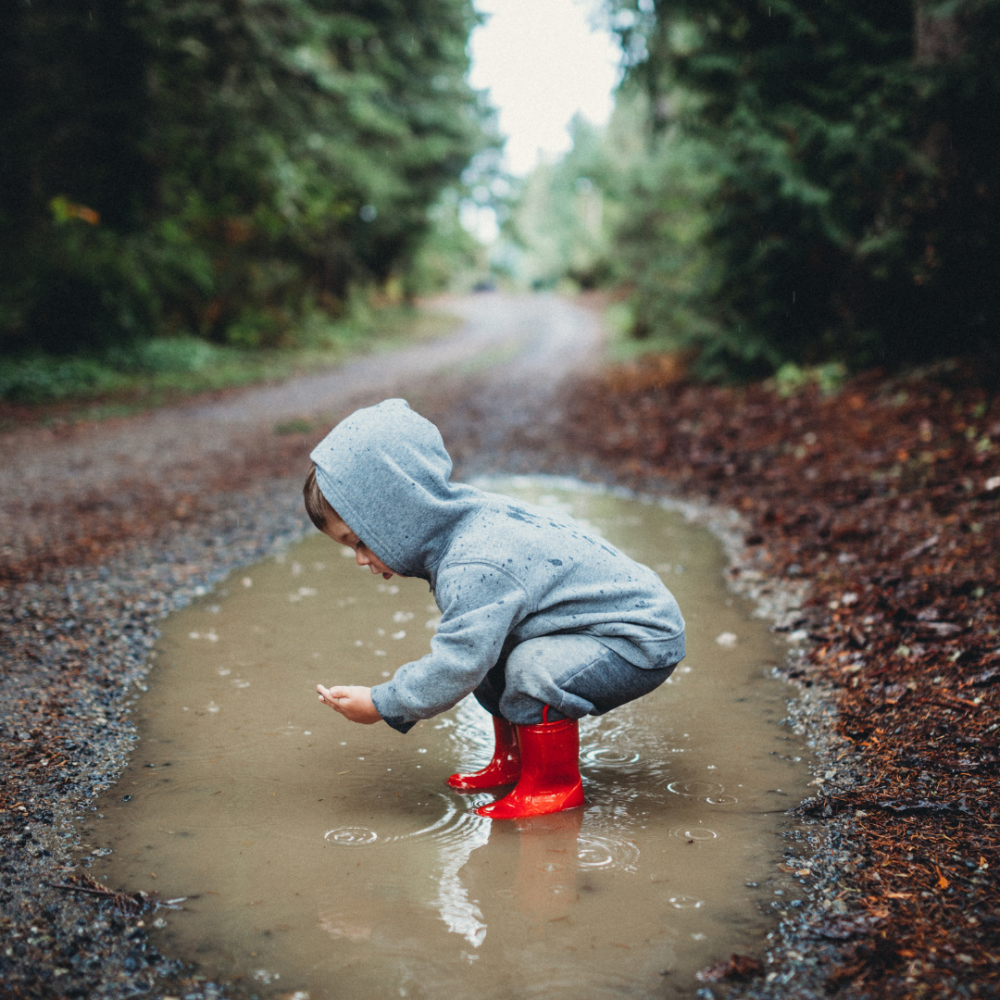
- Harden in a playful way and lead by example - children like to play and laugh, so it is ideal to approach hardening playfully, slowly, and without rushing. And since examples carry weight, and this applies to children twice as much, you can start hardening together with your child - just walk barefoot with them through freshly fallen snow or try how cold the water in the river is in autumn.
- Do not worry about cold hands and feet - cold hands or feet do not tell you anything about whether the child is cold; you check that at the nape of the neck, under the T-shirt on the chest, or on the wrist, and if the child is cold, add a layer; if they are sweaty, take a layer off.
- The child will tell you when they are cold - do not keep asking the child whether they are cold; they will say so themselves or you will notice by the way they shiver. Spare yourself phrases like “don’t you want to put on that jacket?”, “aren’t you cold?”, “don’t you want a hat?” etc.
- Prepare hot tea in a thermos for outside - when you are outside with your child experimenting and letting them discover the cold, a hot tea afterward will come in handy, warming the child nicely and leaving you satisfied that the child is staying hydrated.
- Trust the child - respect that children around 2.5-3 years old can already say for themselves what they want to wear outside. If you do not like it, let the child experience the cold and pack extra clothes in their backpack. If the child wants to run barefoot in the snow, in wet grass, try the temperature of the water in the river, or even go outside in underwear when you are putting on a sweatshirt for outside, then let them experience the cold firsthand. They will most likely be cold soon and will want to dress more warmly on their own. Thanks to this experience, next time they will know that when you are putting on a sweatshirt, it is good if they take one too.
Do not be afraid of hardening. Try gradually what suits you and your children, and you will see that you will enjoy hardening, with the great benefit of stronger immunity and fewer runny noses on tissues.


Write a comment
This site is protected by hCaptcha and the hCaptcha Privacy Policy and Terms of Service apply.