

Introducing a baby’s first solids is a big topic. It’s a stage when things are no longer quite so “easygoing.” It’s not enough just to breastfeed or give formula. You also need to start thinking about your baby’s diet. There are different opinions on when to start, which foods to introduce first, and which method to choose, because there isn’t just one best-known one. And what about introducing egg white and gluten? We’ve put everything together for you in this article.
When to start with solids
For formula-fed babies, it is recommended to start after the completed 4th month, and for breastfed babies after the completed 6th month. It is definitely better to let the child decide whether they are ready for solids. Usually around the 6th month, babies start looking at the food others are eating in front of them and show interest in it. If they don’t show interest, don’t despair and keep offering, but don’t force it. The completed 6th month is mentioned mainly because the iron stores the mother passes on to the baby are already used up, and iron needs to be supplemented directly through food. For formula-fed babies, the aim is to replace formula with nutritious food as quickly as possible, which is why solids are started earlier. If you are breastfeeding and your little one is only 5 months old and would like to taste food, go right ahead.
Which form of solids to choose
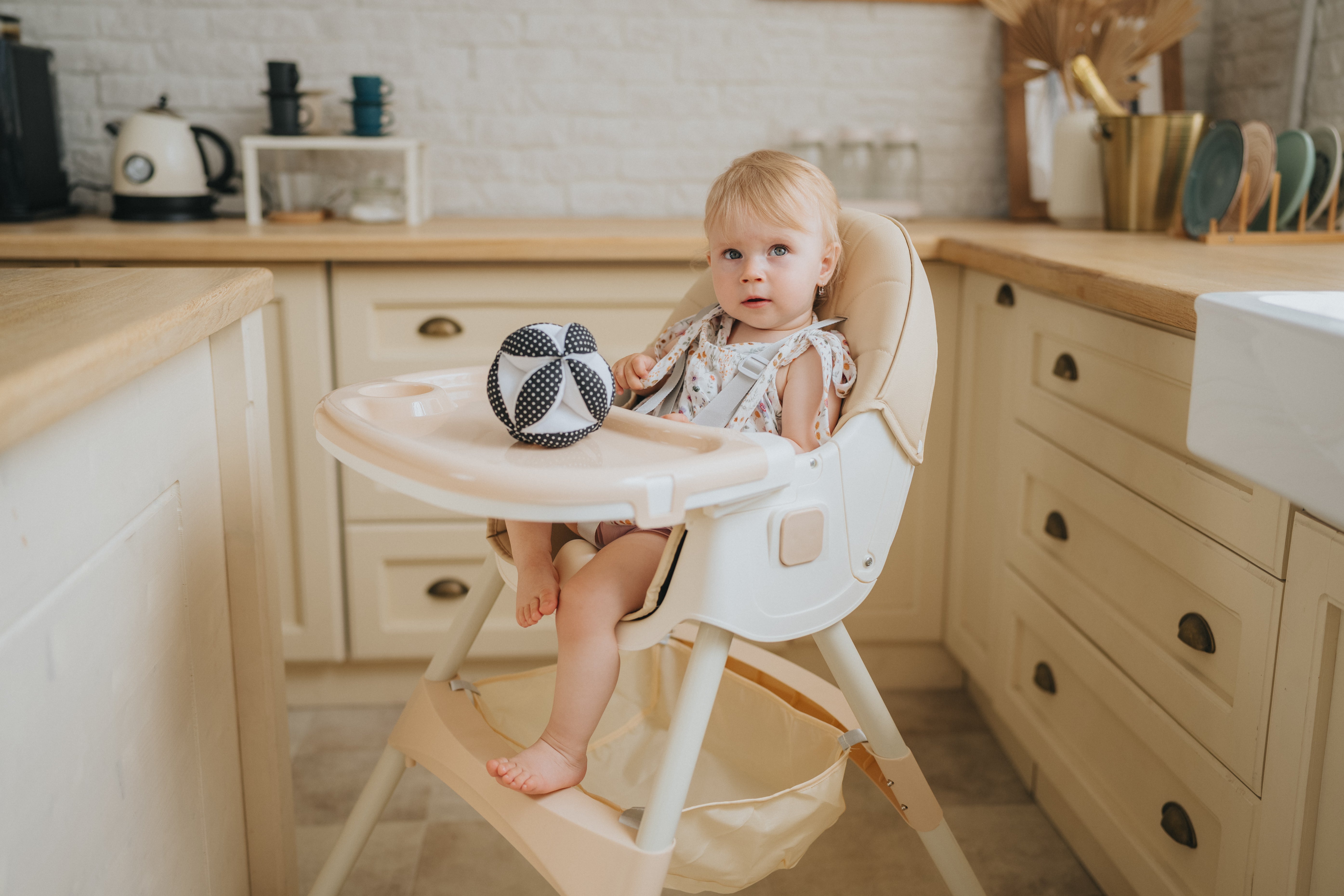
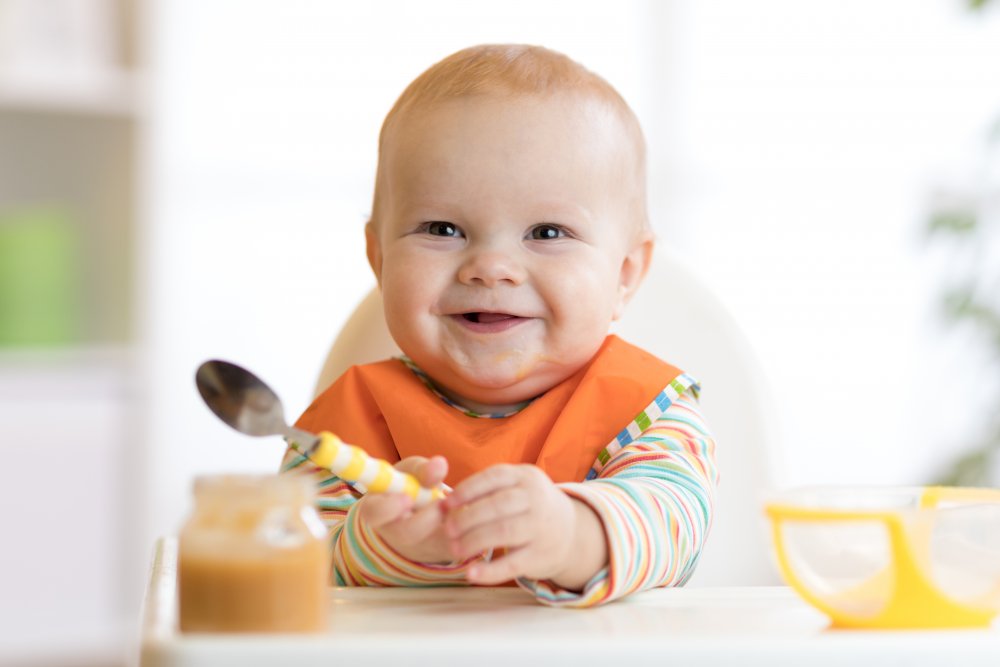
You can either feed in the traditional way with a spoon using blended purees, or try the BLW method (baby-led weaning), also known as food in the paw. BLW means offering the baby the same food you are eating (without seasoning), but in a form they can manage, usually without teeth, to eat. It is therefore necessary to cook the food and cut it into pieces that babies can hold in their little hands, basically into sticks. If you can squash that stick easily between your own fingers, then a toothless baby can handle it too using their gums. They then decide for themselves what and how much they eat. With this method, you need to watch out for choking. Fortunately, babies have a very well-developed gag reflex, so they won’t easily choke on something, but with the first solids you do need to be careful until they get used to firmer foods.
If you decide on BLW, be prepared with patience, because the baby will eat slowly and there will also be mess everywhere. That just comes with it, and there is nothing better than a child discovering food with all their senses. Thanks to BLW, you won’t have to deal with a child later refusing to eat pieces because they are used to puree; they will know it from the start. At the same time, you also don’t need to worry about how much they eat, as is the case with blended meals. The child will regulate it themselves, and after the meal you just breastfeed or offer formula. Babies are infants until the age of one, and that does not mean that by one year old they should already have all meals replaced with solid food. Pediatricians tend to stick to outdated recommendations, so follow your own instincts. You know your child best.
Which foods to introduce first
The most common approach is to start with blended vegetables (pumpkin, zucchini, sweet potato, carrot, etc.), and after a month add meat and fruit. However, there are also nutritional opinions that it is better to start with a mild meat broth, raw egg yolk, and blended liver because of the high iron and vitamin D content. And given that breast milk is made up of more than half fat, it makes sense not to start with vegetables, which are made up mainly of carbohydrates, but with something fattier, and meat and eggs certainly are.
Whichever way you choose, the important thing is to use quality ingredients, ideally meat and vegetables from farmers and eggs from happy hens. However, if you don’t have that option, don’t stress about it and do the best you can at the time.
What about egg white and gluten
In many books and articles you will find information about egg white, which is supposed to be introduced only after the first year of life, and on the other hand gluten, which is said to be introduced no later than the 7th month because of possible allergy. Both of these have already been disproven. As for eggs, start with the yolk for sure, but you can introduce the egg white before the age of one and watch your child’s reaction. With gluten, on the other hand, there is no need to hurry at all; you can easily introduce it after the first year. Instead of foods containing gluten, you can offer gluten-free options such as millet, quinoa, amaranth, rice, and vary solids with red lentils or yellow peas.
What are the basic foods
- quality meat and offal (meat and meat-bone broths)
- vegetables and fruit from farmers
- eggs from free-range hens
- quality fat - butter, lard, ghee, avocado oil, coconut oil, etc.
- unsweetened dairy products - yogurts, kefirs, cream
- nuts and nut butters, seeds
- fermented products
- fish and seafood
- legumes
- coconut
- cereals
You certainly won’t go wrong if you offer your child real, quality food. That means offering meals that are minimally processed industrially, no puffs, biscuits, or even sweets. It is also an opportunity for you to switch to a healthier lifestyle, because if the child doesn’t see you eating anything unhealthy at home, they won’t ask for it outside either. Of course, you won’t avoid various events and celebrations where lots of temptations will be waiting for you; let the child taste even the things you normally forbid, but explain why you don’t eat them at home. Then they can decide for themselves whether they want to finish it or not. It is a great foundation for eating habits in adulthood.
We are keeping our fingers crossed for you with introducing solids. Above all, don’t stress about it, because there will be periods when children eat more and then less or not at all. Some foods children will only eat after the tenth or twentieth offer. So keep offering, offering, offering. It will settle down.


Write a comment
This site is protected by hCaptcha and the hCaptcha Privacy Policy and Terms of Service apply.